Showing posts with label Medical cannabis. Show all posts

Friday, February 05, 2016

SYNTHETIC CANNABIS TRIALS IN VICTORIA...

Cannabis
Image source - Don Goofy

Read Full Story at ABC

Synthetic cannabis medical trial to treat Victorian children with severe epilepsy...

Ten children will initially be involved in the Austin Health trial, which will focus on finding the right dose of the drug developed by an American pharmaceutical company.
What are people not getting about this? 
Synthetic Cannabis? 
Why? 
Why synthetic? 

This should be looked at very seriously by the Australian public because this is not what health with Cannabis use as a medicine is about. 

The natural plant and the use of all of the CBD's in the entire plant are needed to work in a medicinal way. 

I have read Herbals that are two hundred and fifty years old that refer to this plant and its health benefits.  Our governments need to wake up and stop paying monkeys top dollar and getting back a bag of moldy smelly peanuts in return.

People died in French trials. This has to stop.  To even think that synthetic cannabis use is ethical even when the real plant is required is the work of psychopaths.

Wednesday, October 28, 2015

So... have you ever wondered why Cannabis is illegal?


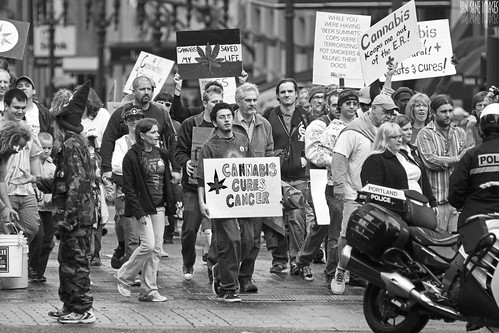
Cannabis Cures Cancer
Image Source : https://www.flickr.com/photos/31246066@N04/

I am sure there are a whole new wave of people around now who desperately need educating regarding why the most helpful plant on the planet [that appears to be from out of this world] would be illegal.   When it is clear there are so many countless positive benefits all round from utilizing it, there should be hoards who are scratching the heads going 'huh'!!

I was lucky to have learned the truth about this when I was just 16 years old.  That is now a cool forty years ago now.  When I was 20 I joined NORML.   Over those years since I have watched the rubbish touted by the government parasites whose vested interests kept this plant illegal and made criminals out of otherwise good people.

People who never would have been and never broke the law in any other way.   The illegal status has also prevented people who have certain ailments from having quality of life, children have died have endless seizures while cancers have risen and cannabis can treat this, the madness marched on as it was kept from those that most needed its benefits.

That is just the medicinal side without considering the myriad of other benefits this plant has both nutritionally and industrially. You can purchase food grade Hemp seeds now and people should be munching out on these as often as they can.  The Hemp oil is so beneficial to use in the kitchen for its health benefits.

Please click through and read the entire truth together with a timeline and details of the corruption in the USA in the 1930's that started the gigantic mess that we have today.  Today, we have jails full and lots of sick people and 1% of the people owning 99% of the wealth of the entire world. 
"Sugar how'd you get so fly"

http://www.drugwarrant.com/articles/why-is-marijuana-illegal/

http://cannabislover.com/2015/01/18/the-marijuana-conspiracy-in5d-esoteric-metaphysical-and-2/
 

More Images @ Eminpee Fotography

Wednesday, April 29, 2015

Getting High on the Endocannabinoid System

CANNABIS CURES CANCERS!'s photo.

Getting High on the Endocannabinoid System
by Bradley E. Alger, Ph.D.
Cerebrum: the Dana Forum on Brain Science
Nov. - Dec. 2013
Editor’s Note:
The endogenous cannabinoid system—named for the plant that led to its discovery—is one of the most important physiologic systems involved in establishing and maintaining human health.
Endocannabinoids and their receptors are found throughout the body: in the brain, organs, connective tissues, glands, and immune cells.
With its complex actions in our immune system, nervous system, and virtually all of the body’s organs, the endocannabinoids are literally a bridge between body and mind.
By understanding this system, we begin to see a mechanism that could connect brain activity and states of physical health and disease.
------------------------------------------------------
Cannabis, derived from a plant and one of the oldest known drugs, has remained a source of controversy throughout its history. 
From debates on its medicinal value and legalization to concerns about dependency and schizophrenia, cannabis (marijuana, pot, hashish, bhang, etc.) is a hot button for politicians and pundits alike.

Fundamental to understanding these discussions is how cannabis affects the mind and body, as well as the body’s cells and systems.
How can something that stimulates appetite also be great for relieving pain, nausea, seizures, and anxiety?

Whether its leaves and buds are smoked, baked into pastries, processed into pills, or steeped as tea and sipped, cannabis affects us in ways that are sometimes hard to define.

Not only are its many facets an intrinsically fascinating topic, but because they touch on so many parts of the brain and the body, their medical, ethical, and legal ramifications are vast.

The intercellular signaling molecules, their receptors, and synthetic and degradative enzymes from which cannabis gets its powers had been in place for millions of years by the time humans began burning the plants and inhaling the smoke.

Despite records going back 4,700 years that document medicinal uses of cannabis, no one knew how it worked until 1964.

That was when Yechiel Gaoni and Raphael Mechoulam reported that the main active component of cannabis is tetrahydrocannabinol (THC).

THC, referred to as a “cannabinoid” (like the dozens of other unique constituents of cannabis), acts on the brain by muscling in on the intrinsic neuronal signaling system, mimicking a key natural player, and basically hijacking it for reasons best known to the plants.

Since the time when exogenous cannabinoids revealed their existence, the entire natural complex came to be called the “endogenous cannabinoid system,” or “endocannabinoid system” (ECS).

THC is a lipid, but in 1964, known or suspected neurotransmitters and neuromodulators were water-soluble molecules—peptides, amino acids, or amines—not lipids.

Ordinary neuroactive agents interact with cells by binding to specific proteinaceous receptor molecules that are part of the cell surface.  Each receptor has an intricate structural pocket into which a particular neurotransmitter fits.  The interaction triggers the biochemical and biophysical reactions that affect the physiological properties of the cell.

Lipids avoid water, and individual lipid molecules might simply drift freely around in a compatible lipophilic environment, such as the cell surface membrane, without having much to do with proteins.  How could they influence neuronal behavior?

The best scientific guess at the time was that molecules such as THC would owe their psychotropic actions to “membrane fluidizing” properties, a vague notion that would not explain specificity of action, among other things.

Nevertheless, strong evidence that THC and similar synthetic molecules could bind tightly to specific sites in the brain emerged, implying that THC does indeed work through true receptors. This hypothesis was confirmed in 1990 with the isolation and cloning of the first cannabinoid receptor, CB1, and later of CB2.

In the central nervous system (CNS), CB1 is by far the predominant form, although it also exists outside the CNS; CB2 is primarily found outside the CNS, and is associated with the immune system.

Both receptor subtypes are 7-transmembrane domain macromolecules of the “G-protein-coupled” class.  Unexpectedly, CB1 turned out to be one of the most abundant G-protein-coupled receptors in the brain.  It was immediately obvious that CB1 and CB2 must partner with an endogenous ligand, a natural agent for which they would normally act as the proper receptors. They did not evolve to react with rarely ingested, plant-derived chemicals.  Indeed, Mechoulam’s group isolated an arachidonic acid derivative (N-arachidonoylethanolamide, “anandamide”) that activated CB1, and a second endogenous CB1 ligand two-arachidonolyl glycerol (2-AG) was later discovered.

These endocannabinoids are the major physiological activators of CB1 and CB2, yet they are not standard neurotransmitters.

For one thing, like THC, they are lipids, and brain cells, mainly neurons, are surrounded by an aqueous solution, an inhospitable environment for an intercellular lipid messenger.
More surprisingly, endocannabinoids go against the flow of typical chemical synaptic signaling.  A neuron that releases a chemical neurotransmitter (say, GABA or glutamate) is designated as “pre-synaptic”; the target neuron that expresses receptors for that neurotransmitter is “postsynaptic.”

Endocannabinoids, however, are synthesized and released from postsynaptic cells, and travel backward (in the “retrograde” direction) across the synapse, where they encounter CB1s located on adjacent nerve terminals.

Physiologically, CB1Rs act as communications traffic cops. Precisely positioned in synaptic regions, they inhibit the release of many excitatory and inhibitory neurotransmitters.  Thus, by releasing endocannabinoids, postsynaptic target cells can influence their own incoming synaptic signals.

CB1 is densely located in the neocortex, hippocampus, basal ganglia, amygdala, striatum, cerebellum, and hypothalamus. These major brain regions mediate a wide variety of high-order behavioral functions, including learning and memory, executive function decision making, sensory and motor responsiveness, and emotional reactions, as well as feeding and other homeostatic processes.

Within neuronal circuits, suppression of excitatory transmitter release tends to dampen excitation, while suppression of inhibitory transmitter release favors neuronal network excitation.  Given the enormous complexity of the brain, the endocannabinoid system could affect behavior in an almost limitless number of ways:

Simple generalizations of what will happen when CB1 receptors are globally turned on or off are not feasible.  The challenge for developers of cannabinoid-based medicines is to find beneficial ways to exploit this powerful yet convoluted feedback system.

From a therapeutic point of view, the near ubiquity of the endocannabinoid system has good news/bad news implications.  Good news because it offers explanatory power—the ability to make sense of numerous yet quite different aspects of neural processing involving the endocannabinoid system in normal brains and, conversely, to offer insight into a variety of maladies that accompany its dysfunction.  Bad news because wide heterogeneous dispersion greatly complicates the task of targeting this system for specific therapeutic purposes.  Side effects are therefore common and problematic.

CB1 and Obesity

Obesity is a serious worldwide health concern.

An attempt to develop an endocannabinoid system–based strategy to solve it provides a textbook example of the promise and the problems involved.  The feeding control centers in the hypothalamus express high concentrations of CB1.

These receptors are responsible for “the munchies,” the craving for food that is stimulated by cannabis use. But they also prompt the normal desire to eat.  Preventing the activation of hypothalamic CB1s should decrease eating.  In addition, CB1 receptors outside the brain regulate energy metabolism in the liver and fat tissue, and pharmacologically blocking these peripheral receptors in animal studies results in less body weight gain even when the same amount of food was eaten.

Researchers at the pharmaceutical company Sanofi-Aventis gave the CB1 antagonist rimonabant to obese individuals in multi-year, multi-thousand-patient trials and obtained stunning results.  The drug worked brilliantly; patients lost weight and girth.
Negative side effects (depression, anxiety, and nausea) occurred in 10 percent of the users, but they were not life-threatening and the risks were deemed worth the rewards.

Rimonabant (marketed as “Acomplia®” among other names) became readily available in 56 countries in 2006, and Sanofi’s stock soared.  When approached to approve sale in the United States, however, the Food and Drug Administration (FDA) was skeptical and asked for more information about the drug’s performance after the clinical trials had ended.

The trials had excluded people who were susceptible to psychiatric illness, including depression.  What was the experience like in the real world, where many obese patients also suffer from mental disturbances?  The answer was alarming: The incidence of serious depression, including suicidal ideation, bouts of nausea, stress, and anxiety, was markedly higher than in the trials.  The beneficial effects of rimonabant and its downsides both arose from the same source.

Blocking CB1 in the hypothalamus was beneficial because it diminished the desire to eat; but the drug, which was given orally, blocked CB1 throughout the body, including in those brain regions where the endocannabinoid system regulates emotion and vomiting reflexes, among others.  Which effects predominated was a matter of individual variation, and it had to be assumed that widespread use of rimonabant would put many people at risk for serious adverse consequences.

The FDA disapproved its distribution in the United States, and as reports of bad outcomes increased among patients in other countries, it was soon withdrawn from the market.  As a result, Sanofi’s stock came back to earth.

Inhibit vs. Stimulate

Some conditions, such as chronic pain, spasticity, anxiety, and the wasting syndrome associated with chemotherapy and AIDSs, can be alleviated by cannabinoids, and therefore therapeutic approaches would involve activating, not inhibiting, CB1.
For example, people self-medicate with cannabis to relieve anxiety.

The endocannabinoid system helps us deal with traumatic life experiences as a part of a normal coping mechanism—to forget it and leave the past behind.  Neuroscientists use animal models, often the “fear conditioning” test, to investigate the development of anxiety.

This is a Pavlovian training procedure in which a mildly unpleasant stimulus (a brief electric shock to the wire floor grid on which a rat or mouse is standing) is paired with a neutral tone, audible though not loud. The shock causes the animals to freeze in position—the typical response of small rodents to threatening stimuli.  When the tone is sounded alone, it elicits a bit of curiosity, then soon is ignored.  When the tone repeatedly precedes and accompanies the foot shock, the animal comes to recognize it as a bad omen and eventually responds when the tone first sounds even when the shock no longer occurs. The animal has acquired conditioned fear. Normal coping includes dissipation of the bad memories evoked by the tone (actually learning that the tone is no longer threatening), a process called “extinction,” which enables animals to cease paying the high costs of pointless responding.

Mice genetically engineered so that they do not have CB1 receptors readily acquire the fearful response, but cannot forget it as easily as do normal mice.

These mutant mice continue to respond fearfully to the tone alone, even though it no longer signals that the shock is coming, suggesting that activation of the endocannabinoid system is an essential component of the coping mechanism.
Failure to extinguish learned fearful responses may underlie posttraumatic stress syndrome (PTSD) in humans. Stimulation of the endocannabinoid system could be useful in the treatment of PTSD, as it is for treatments of cachexia and spasticity.

Inhalation vs. Digestion

The most direct route of THC administration is by smoking marijuana or other forms of cannabis. Yet purified, FDA-approved medicinal preparations of THC are available in pill form (dronabinol, pure THC marketed as Marinol®, and the analog nabilone, sold as Cesamet® in Canada). If THC is the active agent in cannabis, and approved, orally-effective THC medications exist, why the impetus for medical marijuana?

In addition to avoiding all of the legal, political, and social hassles (pot purveyors occasionally being unsavory characters), avoiding inhalation of particulates in smoke is highly desirable on its own. Why not just take a pill?

There are several reasons that some patients prefer puffing over swallowing.
One quantitatively minor factor is potential lethality. It is possible to get a fatal overdose by swallowing too many THC pills at once, whereas documented evidence of death simply from smoking too much cannabis does not seem to exist.

More common factors are speed and predictability of action, and degree of patient control. Pills must enter the digestive system, where the rate of entry of THC into the bloodstream is slow and dependent on the state of gastric filling.

It can take more than an hour for the full influence of ingested THC to be exerted on the brain, and even that time will vary depending on the timing and contents of one’s last meal. In contrast, it takes only 20 to 30 seconds for inhaled THC to reach the brain from the lungs, and its peak effects are achieved within a few minutes.

For someone suffering nausea (itself a significant impediment to the swallowing of medicine or anything else) or chronic pain, the choice is often not a difficult one.
The third factor, controllability, is another serious concern. Once a pill is swallowed, the full dose is on its way with its time-course and side effects to be played out inexorably, governed by the rates of absorption and clearance of the drug from the body.

An effective dose that has tolerable side effects in a robust middle-aged man may be too much and have intolerable psychotropic side effects in a slight, elderly woman seeking appetite stimulation to counter the weight loss associated with cancer chemotherapy.
With inhalation, patients become adept at sensing and adjusting their intake of THC via smoking (just as people become good at titrating their blood levels of nicotine when smoking tobacco).

Because smoked THC enters the brain so quickly, patients can readily detect its presence and adjust their dosing to the level that they need by inhaling less or more.
A significant downside to inhalation is that the by-products of burning plant material, particulate and chemical, are taken in and can irritate the mucous membranes of the mouth and lungs.

Even though most marijuana smokers do not smoke as much as a pack-a-day tobacco smoker does, bronchitis and the buildup of carcinogenic tars in the lungs do occur in heavy users. Studies of the occurrence of chronic obstructive pulmonary disease (COPD) from cannabis smoking are inconsistent, though.

Finally, while generally anxiety-relieving (anxiolytic) in low doses, THC can provoke anxiety and paranoia in high doses, responses that seem exacerbated with inhalation, probably because it acts so quickly.

Some of the drawbacks of smoking cannabis may be circumvented by the use of vaporizers somewhat similar to “e-cigarettes” (electronic cigarettes) that use heating elements to vaporize a liquid nicotine solution.

Cannabis vaporizers heat the plant material so that volatile compounds, such as THC, are given off before actual burning and the associated release of particulates, toxins, and carcinogens occurs.

Such devices deliver about as much THC as is found in smoke and are often better tolerated than smoking, although irritation of the mouth and throat are occasional problems.

Like e-cigarettes, the designs, efficacy, safety, regulation, and legality of these devices are in flux, but they do provide a potential option for cannabis users who prefer inhalation.

Variation (polymorphisms) among people in the genes encoding CB1 receptors and other endocannabinoid system components affect their cannabinoid drug sensitivity, as well as their susceptibility to disorders related to disturbances of the endocannabinoid system.

Links between CB1 polymorphisms and schizophrenia, autism-spectrum disorders, and PTSD have been suggested but remain controversial. Sorting these relationships out is an important task, since the information gained will contribute to the future ideal of personalized medicine.

Would Having an Entourage Help?

A final reason for the popularity of smoking over the purified oral THC preparations is subtle and not well understood. For many people, pure THC in pill form is aversive; the unpleasant sensations, “dysphoria,” cause patients to not take their pills.

Smoking cannabis is less offensive for some of these patients, suggesting that something besides THC is involved. THC is the only psychotropic cannabinoid, but one or more of the nonpsychotropic cannabinoids could modulate or soften the impact of pure THC in several ways: They might act as part of an “entourage,” unable to activate CB1 themselves but capable of modifying THC’s ability to do so.

Alternatively, nonpsychotropic cannabinoids might influence other components of the endocannabinoid system (synthesis, uptake, or degradation), and thus alter availability of endocannabinoids, which compete with THC for access to CB1, and thereby indirectly tweak THC’s actions. But interactions with the endocannabinoid system are not the only possibilities.

Nonpsychotropic cannabinoids can affect conventional neurotransmitter receptors and ion channels that are entirely unrelated to the endocannabinoid system.  (They are “cannabinoids” because they come from the cannabis plant, not because they necessarily have anything to do with CB1, CB2, or the ECS in general.)

Cannabidiol (CBD) is a major nonpsychotropic cannabinoid, and is almost as abundant as THC.  Interestingly, while the CBD:THC ratio varies in different strains of cannabis, the total amount of cannabidiol plus THC across strains is roughly constant.  The more THC, the less cannabidiol, and vice versa.

The proportion of CBD:THC is selected for in cannabis plant-breeding programs. Cannabidiol can inhibit CB1 (and CB2) directly, and this may diminish THC’s CB1-mediated undesirable actions, which are dose-related.  For example, cannabidiol blunts the anxiogenic and psychotropic side effects of THC.

In addition to synergistic actions, cannabidiol by itself is anxiolytic, and can reduce inflammation and blood pressure.

A mucosal spray, Sativex® (GW Pharmaceuticals), a botanical extract of cannabis plants, has a standard CBD:THC ratio of 1.  In Canada, the United Kingdom, and other countries (not yet the United States), Sativex® is available for the treatment of the pain and spasticity of multiple sclerosis.

The anticonvulsant properties of cannabis have been known for centuries.  A dramatic account of such action recently received widespread media coverage.  A young child suffering from an intractable form of childhood epilepsy called Dravet syndrome had been unsuccessfully treated with a battery of epilepsy therapies for years since her first seizure at 3 months old.  By age 5, she was having up to 300 seizures per day, and experiencing mental and physical developmental stagnation.  Her prospects were grim and her parents desperate.  With the approval of two doctors, they tried adding an oil extract of cannabis to her food. Amazingly, her seizures immediately dropped to a few per month, an improvement that has persisted for a year, and her normal development resumed.

A notable feature of this case, which has been repeated in other similarly afflicted children, is that her cannabis extract is from a strain (called “Charlotte’s Web”) that is very low in THC and high in cannabidiol.

To what extent this positive outcome is attributable to the low THC, the high cannabidiol, or the combination of the two is unknown.  A different nonpsychotropic cannabinoid, cannabidivarin, reduces seizures independently of CB1 in animal models, and this property is not improved by the presence of THC.

Turning On (or Off)

CB1 receptors exist on nerve fibers outside of the central nervous system, and there they also direct communications traffic.  Psychotropic side effects of cannabis are caused exclusively by turning on or off brain CB1s.
Therefore one strategy is to develop CB1 agonists or antagonists that can be given orally but that do not cross the blood-brain barrier (a membranous cellular fence that bars certain chemicals present in the circulation from getting into the brain).  CB1s in fat and other tissues are thought to contribute to obesity, and a peripherally restricted CB1 antagonist could be beneficial in weight control.

Conversely, cannabinoids are good pain relievers that work in part by stimulating CB1s on peripheral pain sensory neurons.  When activated, these CB1s block transmission of the pain signals to the brain—basically what topical anesthetics like novocaine do—and pain signals unable to reach the brain are not felt.  CB1 agonists or antagonists that are restricted from the brain could be quite useful in conditions that do not arise from within the central nervous system.

What about manipulating other components of the endocannabinoid system?

Rather than stimulating CB1 with drugs, the endocannabinoids can be pressed into service artificially.  Once released, endocannabinoids, like other chemical messengers, are quickly taken back up into cells or otherwise inactivated, which preserves the integrity of the signaling process.

Inhibiting uptake and degradation therapeutically offers the advantage of increasing the endocannabinoid levels, and thereby activating CB1, in those regions in which the messengers are already being mobilized by brain activity itself.  Rather than indiscriminate activation of CB1s everywhere for long periods of time, only certain groups of receptors would be activated and only when and where called for naturally.

With a drug that inhibits the enzyme (fatty-acid amide hydrolase, FAAH) that inactivates the endocannabinoid, anandamide (but not 2-AG), levels increase, and an analogous approach inhibits the major degradation enzyme for 2-AG, monoglyceride lipase (MGL) and 2-AG levels rise. Elevations in endocannabinoids in this way can have beneficial effects.

Unfortunately, there are still problems: In addition to activating CB1, anandamide turns out to be an excellent activator of a another receptor, TRPV1, a noncannabinoid receptor that actually heightens anxiety, so globally elevating anandamide has complex effects.
Drugs that inhibit both FAAH and TRPV1 could be helpful in some cases.

Meanwhile, globally elevating 2-AG by decreasing its breakdown overloads the endocannabinoid system, which responds by causing a protective shutdown, or down regulation, of many CB1s in the brain.

This is counterproductive if the goal is stimulation of the endocannabinoid system.
An encouraging development along these lines is that the peripheral pain signals can be quashed by raising anandamide and 2-AG levels only near the site of origin (a rat’s paw), where a painful stimulus was given. This means that the local peripheral CB1 and CB2 receptors in the paw were effectively turned on by the elevation in endocannabinoid levels resulting from prevention of their breakdown.

In this case, pain relief free of psychotropic side effects should be possible with degradative enzyme blockers designed to stay out of the central nervous system.

Finally, a possibility that has gotten little attention is the targeting of conventional neurotransmitter systems that stimulate the production of endocannabinoids.
For example, glutamate is the major excitatory neurotransmitter in the brain, and one subtype of glutamate receptors (group I mGluRs) potently mobilizes endocannabinoids.

A genetic disease that causes mental retardation, fragile X syndrome, has long been associated with excessive activity at the same glutamate receptors, which could be related to the excess production of endocannabinoids at inhibitory synapses in a mouse model of the disease.

Perhaps combining modest inhibition of both CB1 and group I mGluRs would be a way of tapping the therapeutic potential of the ECS, while avoiding some of its problems.

What Is in Store?

The endocannabinoid system is powerful and nearly ubiquitous in the nervous system.
The cannabinoid receptors dispersed throughout many brain regions are responsible for regulation of numerous aspects of neuronal activity, and account for the bewildering variety of behavioral and psychological effects caused by THC.

Depending on the nervous system regions and maladies involved, either stimulating or inhibiting the endocannabinoid system could have beneficial effects.

A great deal of attention is being given to incorporating nonpsychotropic cannabinoids into medicinal preparations, although in most cases the actual effects of these agents on the nervous system are unknown. For some purposes, drugs that are restricted to acting on peripheral cannabinoid receptors, and are prevented from entering the central nervous system, could be effective.

Finally, therapeutic strategies aimed at developing regionally selective targeting of endocannabinoid system components, perhaps in combination with agents that affect conventional neurotransmitter systems, or nonpsychotropic cannabinoids, offer promise for future advances.
http://www.ncbi.nlm.nih.gov/pmc/articles/PMC3997295/…
-------------------------------------------------------
Graphic from "Nature Reviews: Cancer"
October 2003
"Cannabinoids: Potential Anticancer Agents"
http://americanmarijuana.org/Guzman-Cancer.pdf

Sunday, April 19, 2015

Trials of Medical Cannabis announced for three states.


Medical Marijuana
Image: Log Home Finishing
The Queensland and Victorian state governments have joined forces with New South Wales to take part in medicinal cannabis clinical trials.
The NSW Government introduced the scientific trials last year to help treat patients with drug-resistant and uncontrollable epilepsy.   Read Full Story here ABC News

 “Prior to the Coag meeting I was fortunate enough to have a conversation with [NSW] premier Mike Baird and [Victorian] premier Daniel Andrews. I would like to place on the record my thanks to premier Mike Baird for his leadership in relation to this issue.” Annastacia Palaszczuk   The Guardian
Medical Marijuana

IMG 7050
Cannabis

Then there are the stupid opportunistic companies thinking this substance will work in pill form, are they kidding.  This the moronic attittude of the sheeple.   It won't have the magical effects of the whole plant in its natural form.  

Read more here  http://www.businessinsider.com.au/australias-first-medical-marijuana-company-will-kick-off-its-farm-to-pharma-strategy-by-releasing-a-dope-pill-2015-3

And a mining company as well... that one topped the bad bunch.
Capital Mining makes bid to be first to grow medicinal cannabis
 
Images @ Eminpee Fotography

Monday, February 09, 2015

Cannibus .. not Marijuana or Hemp

The Botanical name is Cannabis and the plant as medicine should be referred to as this.

The USA are legalizing Cannabis in 23 US states as well as Washington DC.   The DEA still call it Marijuana though. Slow to catch up perhaps.

Marijuana
Juha Ristolainen - flickr

A uniform accepted terminology where medical use is concerned would be helpful.     I would like to see it referred to by its botanical name of Cannabis.  In ancient times the name was given with purpose and we should not be changing this now.   Read more on Cannabis at Wiki

The name Marijuana is two Sanskrit words .. first one refers to Virgin Water or Light and the second is a state of bliss and nirvana. Obviously there is nothing wrong with this.  However, we speak English and the achieve a full understanding of the plant, the correct terminology should be applied. Some of this plants benefits are hinted in the very name Cannabis.   Those other words originated in India and Syria.

Hemp News have a story on this bloke: HERE

This chap who the article is written about is a drug and alcohol Councillor and in my opinion he is fitting to his name - Joe Schrank.  I think he has shrunken head ideas about life in recovery.  I am a qualified councillor and have had years helping with De-Tox units at hospitals for addicts looking for recovery.

 He isn't looking at the medical use at all.  He is only concerned with people who are growers who have a 'recession proof' industry as he calls it.  In other words he is about the economic benefits and we all know which side of the fence he is on. 

The man is a respected drug Councillor and people build him up as a genius.  This made me feel ill.  Why?  Because he is far from balanced and he is far from knowing how it works.   He openly makes fun of the people in recovery on social media.  That type of archetypal make up required enabling him do this is 'schrunk schmuck behavior",  It invariably helps no one.   So it's a red herring and its a pointless action.  Who is he?  I am very curious.

Joe Schrank  Facebook
Is he controlled opposition from down in the lower ranks?   Who knows?   Has he been given a job and told to bring it in the best way he can?  Who knows? 

The man must have been a shocking addict.  I would like to hear stories of his addiction.  People in positions such as his should always keep in the forefront of our minds that "Its not what we go through - it is how we handle what we go through that makes all the difference".  Right now - this is not handling it well.

Schrank is acting he is a cut above now he has 18 years clean time up his sleeve.  He talks about recovery as a dry drunk does and that is not recovered in my book.  He still refers to his life regarding the missing alcohol in this manner.  I am the same as he is, I come down a long road also and I think his take on this is pathetic.  It makes those trying to get to the other side feel its just too far away.

He is concerned about the economic monopoly the alcohol industry has had on getting people whacked.  So he wants a whack tax applied to Marijuana. He says its overdue and governments all over need to make the substance legal, tax it and to let people make their own choices.

Now, I could look at this article two ways.  Firstly, it appears sensible and of course the alcohol industry has had the monopoly, there is no denying this fact.  However he is moving straight into the government legislative policy and thinks its great if Government are in control.

No government stops by and asks me how my other herbs are going.  So why do they need to control this as well.  Some of my other herbs could contain some fairly hectic psychoactive substances in these as well.  

This legalization wording is tricky.  My point is that we will not be able to grow medicine from seed or cutting a medicinal plant that resonates to us on a personal level.  We will, if its is legalized in Australia be smoking or eating vegetable matter handled by people who I do not know and who I feel have zero idea of life and I do not know the state of their mind. I don't think that is ideal.

The energy that passes through people is changed as it passes through.  It leaves a mark, although with our eyes we don't see this,  but we could accept with out a word of doubt that it has caused changes.  People who are sick should not cook and people who are not whole in the mind should not touch substances used for medicine leaving the door open for those effects to flow on to others.

It is well known that this is the magic ingredient.  I like to refer to this as the magic of love.  Love changes the constitution of everything.
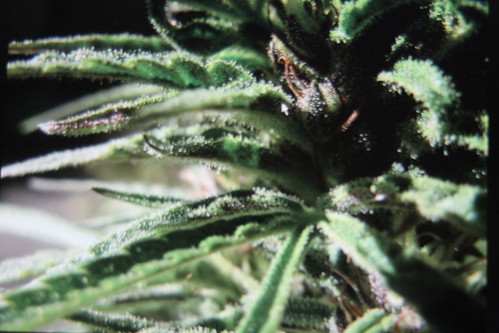
IMG 7050
Seedless Sinsemilla plant
Images @ Eminpee Fotography Sinsemilla
Schrank points out that alcohol has had a monopoly on legal intoxication for generations, so it's wrong to not let individuals make their own choice. - See more at: http://hemp.org/news/node/4709#sthash.RZT2uPMq.dpuf

Wednesday, November 12, 2014

Recipe To Make Cannabis Oil For Chemo Alternative

http://themindunleashed.org/wp-content/uploads/2014/05/cannabiss.jpg


“Once the public becomes aware of the fact that properly made hemp medicine can cure or control practically any medical condition, who is going to stand up against the use of hemp?”
Rick Simpson has dedicated his life to helping suffering patients (with all types of diseases and disabilities) with the use of natural hemp oil.

Rick Simpson’s Hemp Oil Proves Effective In Curing Cancer

Rick Simpson is a medical marijuana activist who has been providing people with information about the healing powers of Hemp Oil medications for nearly a decade now. Rick cured himself of a metastatic skin cancer back in 2003, and has since then devoted his life to spreading the truth of hemp oil. He has met an absurd amount of opposition and lack of support from Canadian authorities, as well as pharmaceutical companies, government agencies for health, and UN offices. Despite that fact, Rick Simpson has successfully treated over 5,000 patients (free of charge), and believes that all forms of disease and conditions are treatable. He states that it is common to have all types of cancer and diseases cured with the use of high quality hemp oil as a treatment.

Rick has treated patients will all types of conditions including, but not limited to, cancer, AIDS, arthritis, multiple sclerosis, diabetes, leukemia, Crohn’s disease, depression, osteoporosis, psoriasis, insomnia, glaucoma, asthma, burns, migraines, regulation of body weight, chronic pain, and mutated cells (polyps, warts, tumors).

“Run From The Cure” Official Video Documentary


This documentary “Run From The Cure” was made by Christian Laurette in 2008 and shares Rick Simpson’s story. The movie features interviews with people who were cured by Rick’s oil, but were refused from testifying on Rick’s behalf in the Supreme Court of Canada in his 2007 trial. This video documentary does a great job explaining the medicinal benefits of hash oil.

“I want people to know how to heal themselves.”

Rick Simpson believes that the oral ingestion of hemp oil seeks out, and destroys cancer cells in the body. When used as a topical, hemp oil can control or even cure various skin conditions such as melanomas.

However, as with any ‘drug’, too much hemp oil may cause some side effects; the most notable three are hungry, happy, and sleepy. This is an extremely safe medication compared to the hundreds of drugs that are approved with little to no study, and provided to patients that experience horrible side effects including death. Nobody has ever died from cannabis in any form.

Rick Simpson’s Hash Oil Recipe

To make the Rick Simpson’s hash oil, start with one ounce of dried herb. One ounce will typically produce 3-4 grams of oil, although the amount of oil produced per ounce will vary strain to strain. A pound of dried material will yield about two ounces of high quality oil.

IMPORTANT: These instructions are directly summarized from Rick Simpson’s website.

Be VERY careful when boiling solvent off [solvent-free option], the flames are extremely flammable. AVOID smoking, sparks, stove-tops, and red hot heating elements. Set up a fan to blow fumes away from the pot, and set up in a well-ventilated area for whole process.
1. Place the completely dry material in a plastic bucket.

2. Dampen the material with the solvent you are using. Many solvents can be used [solvent-free option]. You can use pure naphtha, ether, butane, 99% isopropyl alcohol, or even water. Two gallons of solvent is required to extract the THC from one pound, and 500 ml is enough for an ounce.

3. Crush the plant material using a stick of clean, untreated wood or any other similar device. Although the material will be damp, it will still be relatively easy to crush up because it is so dry.

4. Continue to crush the material with the stick, while adding solvent until the plant material is completely covered and soaked. Remain stirring the mixture for about three minutes. As you do this, the THC is dissolved off the material into the solvent.

5. Pour the solvent oil mixture off the plant material into another bucket. At this point you have stripped the material of about 80% of its THC.

6. Second wash: again add solvent to the mixture and work for another three minutes to extract the remaining THC.

7. Pour this solvent oil mix into the bucket containing the first mix that was previously poured out.

8. Discard the twice washed plant material.

9. Pour the solvent oil mixture through a coffee filter into a clean container.

10. Boil the solvent off: a rice cooker will boil the solvent off nicely, and will hold over a half gallon of solvent mixture. CAUTION: avoid stove-tops, red hot elements, sparks, cigarettes, and open flames as the fumes are extremely flammable.

11. Add solvent to rice cooker until it is about ¾ full and turn on HIGH heat. Make sure you are in a well-ventilated area and set up a fan to carry the solvent fumes away. Continue to add mixture to cooker as solvent evaporates until you have added it all to the cooker.

12. As the level in the rice cooker decreases for the last time, add a few drops of water (about 10 drops of water for a pound of dry material). This will help to release the solvent residue, and protect the oil from too much heat.

13. When there is about one inch of solvent-water mixture in the rice cooker, put on your oven mitts and pick the unit up and swirl the contents until the solvent has finished boiling off.

14. When the solvent has been boiled off, turn the cooker to LOW heat. At no point should the oil ever reach over 290˚ F or 140˚ C.

15. Keep your oven mitts on and remove the pot containing the oil from the rice cooker. Gently pour the oil into a stainless steel container

16. Place the stainless steel container in a dehydrator, or put it on a gentle heating device such as a coffee warmer. It may take a few hours but the water and volatile terpenes will be evaporated from the oil. When there is no longer any surface activity on the oil, it is ready for use.

17. Suck the oil up in a plastic syringe, or in any other container you see fit. A syringe will make the oil easy to dispense. When the oil cools completely it will have the consistency of thick grease.

At The Dawn Of A New Age In Medicine

Rick Simpson states that hemp oil rejuvenates vital organs, and that it is not uncommon for people to report the oil making them feel 20 to 30 years younger a short while after beginning treatment.

In a message from Rick on his website, he proclaims,
“Once the public becomes aware of the fact that properly made hemp medicine can cure or control practically any medical condition, who is going to stand up against the use of hemp?”
“We are at the dawn of a new age in medicine and a new day for mankind. Not only can hemp save the world, it can eliminate a great deal of human suffering and can even put an end to starvation.
What are we waiting for?”
 –Rick Simpson
Credits: HempForFuture, where this was originally featured.

Tuesday, October 07, 2014

Say YES to Cannabis legislation changing.

"Tony Abbott backs legalization of Marijuana"

I have my own story and my own reasoning for calling for changes around this.  I had to make a sacrifice and that was purely because the system was false around the truth of the health benefits of this herb.  It has been argued and fought about in all of the establishment arena's for too long in my life time and a few generations before me. 

Cannabis Indica - Flower
Photo by Farmer Dodds
I did my own research on this years ago.  I wanted to find out why it was turning up in all of my herbals when I was studying Naturopathy when I was in my early 20's.  I then proceeded to find the most amazing facts relating to this plant that stretch back as far as the minds eye can go back into the ancient past of our history of humanity. 

Largely I would say we have been shafted by authorities who stood to benefit in some way by making this illegal and stopping people utilizing it for the clear benefits it has It is written about in sripture where it refers to it as Kaneh Bosem.  The resin was said to have had great health benefits.  This was not translated correctly from the Greek and Hebrew texts.

They talk in the public arena about trials, I would say that the trials have already been done and that we need a team of people who can decipher the research and start to gain back the last five years or more they have wasted with this.

I watched a show on television on the SBS station and I was in absolute tears listening to the mothers and the desperation they face with the medical problems their children are facing and the lack of quality of life for them.  I had to agree that the other medications they were prescribed had side effects too and I suppose as a mum one has to work out which is the greater devil for the benefit to the patient.  Cannabis wins hands down. 

They talk about strong psychotropics etc and yet they openly prescribe chemicals that are far more dangerous.  The man said it right when he said there is nothing this plant cannot help in some way. 

Do they test the strength of rosemary or of parsley and what about thyme and then there is chilli, now you can cultivate some seriously strong capsaicin with that and cause a lot of harm.  I think that the argument to wait any longer is long over due.

Cannabis has a high nutritional value as well.  It can re route failed systems by mimicking.  This is what our Endo-Cannabinoid receptors are for in our brains.  Cannabis is not the only source of this active ingredient.[http://montanabiotech.com/2011/03/26/scientists-find-new-sources-of-plant-cannabinoids-other-than-medical-marijuana/]   There are a lot of interesting pieces of information here as well

WATCH THE SBS EPISODE BY CLICKING HERE

It is by far the easiest and more preferred source however. 

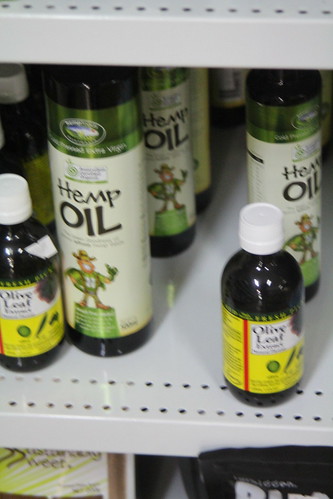
IMG 8585 Hemp Oil

Exploring the Endocannabinoid system = Montana Biotech

Images @ Eminpee Fotography

Saturday, August 09, 2014

Cannabis ... a non-psychoactive treatment is possible.

Australia is once again seeing the age old debate on Cannabis seeing the light of day again with our new Premier Beard promising to introduce a bill to the next sitting of NSW Parliament.

Australian Federal Police Association
Australian Federal Police Association (Photo credit: Wikipedia)
Recently there have been a lot of high profile cases in the media where parents have been treating their ill children who are on death row and these parents are winning and the children are living and this effect can no longer be denied by a greedy government who weigh everything up in dollars and cents.

The form Australian Federal Police Commissioner backs the Victorian parents Rhett and Cassie who were arrested for treating their child recently.   Read Full Story Here
"Mr Palmer’s comments come as a Victorian couple faces possible charges for using cannabis oil to treat their three-year-old son’s severe epilepsy.

Cassie Batten and Rhett Wallace were taken into police custody on Thursday after the Epping Sex Offense's and Child Abuse Investigation team raided their Mernda home and seized their supplies of the oil.

Ms Batten and Mr Wallace, who have attracted pro bono legal support from former WikiLeaks Party campaign director and barrister Greg Barns, were released but could still face charges of possessing a drug of dependence and introducing a drug of dependence into the body of another."
Images @ Eminpee Fotography

Wednesday, November 13, 2013

Kaneh Bosom

In ancient times this plant was known as this.  The oil was used to polish the wood in Solomon's Temple.   The plant was widely used because it was so beneficial and adaptable and versatile.  Preferring no chemicals or fertilizers to grow.

This was a problem for those Greed mongers who wanted to sell their pharmaceutical wares to the uninformed and trusting public via a government who was supposed to care not demonize the only thing that could really help.   This is a story that start way before I was born and before any of us were born.  It started around 325AD in Rome.  The rest is up to you to find out.


http://phoenixtears.ca/

http://www.cureyourowncancer.org/make-the-oil.html


The most important other thing that you need to know about making The Cure oil is
 DON'T BLOW YOURSELF UP!

Alcohol fumes are both TOXIC AND EXPLOSIVE!

Use an extension cord on your rice cooker and boil off the solvent OUTSIDE, and even then have a fan blowing over the top of the pot.

This is not a how to either.   This blog post  is meant to let you know that it is how the resin is obtained for the medicine that has been used for thousands of years.  I do not condone or deny or take responsibility for what some one does with this.
 To all the anti-cannabis "Christians" out there.
"The Lord hath created medicines out of the Earth and he that is wise shall not reject them"
Ecclesiastes  38:4

PHOTO from Cannibus Cures Cancer

IMG 4602
Images @ Eminpee Fotography - Bellingen March against Monsanto 2013
Go away Big Pharma,  Nature knows Best!

Monday, October 28, 2013

The Issue around Marijuana in Australia.

VAPORISERS on FLICKR
Marijuana has been found to suppress cancer, reduce blood pressure, treat glaucoma, alleviate pain and even inhibit HIV. It is an antioxidant, anti-inflammatory and neuron-protective. 

Still in 2013 this plant is illegal in Australia.  This never bothered me before but now I am approaching my senior years I am and I think that there is enough evidence to say that this should no longer be illegal!   I want this law situation to change in my life time.  How can we do this?   I want Australia to stop following the United States like they are the Nerd country of the world.  They present jack shit.  They know more but they do not tell this to their citizens.  Largely what happens over there is the citizens are fed lies and these same lies are fed to the entire world.  It is very very wrong.


I want to be able to freely treat my ailments and the ailments of others of mine who are friends like I have always done with other herbs and plants that are inherently medicine and should be treated as such.    I do know that this plant has been known since ancient times to cure many strange things including cancer and it has had a variant of amazing uses of the centuries.

I have been studying the uses of Marijuana since I was 16 years old which is approximately 38 years now.  I know that it can calm you down a great deal and make you start to think more clearer when things get really hectic from the sadness of past experiences.   I never ever wanted to take medication for what has happened to me,  I have never trusted this as a way of getting through.  I do not want to load my body with so much chemical as to take pills.  I want to legally take THC as a medicine!

I know this is a natural plant substance and therefore I do not think they are telling the truth at all to any of us ordinary folk in Mr and Mrs Joe Bloggs Land.  The authorities say it causes schizophrenia and I disagree with this because I personally think it cures schizophrenia. 

There is an issue with Hydroponically grown plants because people are in this for the money and not for the health and they do not flush the chemicals from the plants for a length of time to take away some of the hazards from this.  This is a huge concern and should not be confused with plants that are grown in the bush under the good old Sun.   This is where health and hazard lie and this needs to be confronted honestly as well by authorities.

The issue is the medication people have taken previous.  This changes everything!  If the person is not responding well one would need to look if there ever has been a time when these SSRI's were taken?  When you take this you change your metabolism forever and so therefore I do not wish to fall into that category of dangerous use. 


I have found in the past that Cannibus has been a life saver for me in times past.  I never really wanted to take any harder drugs simply because I had smoked pot.  I took harder drugs because life got harder not because the pot was not doing it for me.   That was never the case in my situation.   When I was young, I took harder drugs because at that time I really had no desire to live.  I had so much pain on the inside I thought I would turn inside out and there was a time that I did need to have that feeling numbed down.  

Once again I was self medicating.  I knew that I would get through and that largely the issues here were with other people and not really with myself.  Once I was free of that issue I simply went back to smoking cannabis again.

I have been before the judge on about seven occasions now for smoking pot,  these laws are largely ridiculous as I do not wish harm to anyone and I only want to take care of myself.  I feel very frustrated about this because the date says 2013 and in the 1970's I was convinced we would have this legalized by 1990.

SAM 8413.1 Knitting Nana Sting at the Rally

What happened?  How is this still illegal?   Even in New Zealand you can grow your own chemical free Tobacco but here in Australia they are money hungry greedy bastards and you can't even do this.  You are bound by what they offer legally speaking and you have no choice really.  If you want to read some more about how the situation is in America go to Banoosh.

Images @ Eminpee Fotography

Thursday, May 09, 2013

Help End Marijuana Prohibition: HEMP Party

I am re-blogging this because I find this is imperative to have changed.  It is well known that Tetrahycannibols have a remarkable effect on all diseases where there is cell mutation.   Is this an accident?  I personally do not thing so.  This active ingredient is one of the magic substances on the planet that is for healing and all around use for mankind

Our governments need to understand this war on this plant is just wrong.  There is so much  more to this plant than just people smoking joints.  That view is a very narrow view of a plant that has so many benefits attached that it would be astounding to list them.  Follow all the links to read more about this party and their home page.
Hemp is a plant ruled by the planet Saturn

Help End Marijuana Prohibition: HEMP Party

HEMP Party Australia

Welcome to the Help End Marijuana Prohibition (HEMP) Party of Australia.

Vote 1 HEMP to re-legalise and regulate Cannabis for personal, medical and industrial uses in Australia. The HEMP Party is an organisation with the aim of endorsing candidates to contest elections to the Federal Parliament of Australia. Any person on the electoral roll and eligible to vote in elections to the Parliament is eligible to become a member of the HEMP Party. There are no initial or annual membership fees.

Registered Party

On 17 June 2010 the delegate determined that the party’s application had passed its initial consideration for registration and the application was advertised for public objection on 23 June 2010. The issue of writs on 19 July 2010 for the federal elections meant that no further action could be taken on this application until the final return of all outstanding writs on 17 September 2010. No objections to the registration of the HEMP Party were received.
The delegate of the Australian Electoral Commission determined that the HEMP Party should be registered under the Commonwealth Electoral Act 1918.

State and Territory Branches

NSW electoral laws make it very tough for new, small political parties to get on the official register in NSW. The registration laws are the toughest and most restrictive in Australia. The HEMP Party is currently seeking official registration of individual State and Territory branches of the Party.
To apply for registration in NSW a political party must submit its application no less than 15 months out from the calling of an election, have 750 members who are also currently on the electoral roll in NSW plus pay an application fee of $2,000. Federal, Victorian and Queensland laws require 500 members to qualify for registration, less registration fees, and shorter time periods to apply for and attain official registration. Federal and State Branch application forms are listed on the Members page.

To highlight the hypocrisy

The United States has taken out a patent on the use of cannabis as a neuro-protectant, though they continue to keep the plant in Schedule One, reserved for drugs with the highest potential for abuse and no medicinal use. Groups of physicians and nurses including the American Medical Association have requested a review of this scheduling. Medical Marijuana is dispensed under state law in a growing number of states of the USA.  www.patentstorm.us/patents/6630507/description.html

What are ENDOCANNABINOIDS?

Endocannabinoids are a group of lipid compounds (fat-like) that are produced by some invertebrates and all vertebrates including humans . Their classification is based on their biological activity, which is often similar to that of the main psychoactive phytocannabinoid (plant cannabinoid) delta-9 tetrahydrocanabinol (THC) found in the marijuana plant.
Dr. Robert Melamede, Cannabis Science. (read more)

Australia lagging behind Cannabis legislation

Although industrial hemp is legally grown under licence in all states, we remain the only nation that prohibits the consumption of hemp seed for humans. Hemp seed oil is an extremely healthy food oil, as well as skin oil.
Hemp seed whole, hulled or crushed for oil are used in food products such as muesli bars, cakes, breads, biscuits, butter paste, non-dairy milk, tofu and cheese, ice cream, the essential and cold pressed oils are used in cosmetics (such as shampoo, soaps and moisturisers), as well as having therapeutic qualities similar to evening primrose oil, cod liver oil, flaxseed oil and soybean supplements.
The omega-6:omega-3 ratio of hemp seed is considered optimal for human nutrition. Because of hemp’s high seed yield, and the seeds high oil content, it has been used throughout the millennia in paints, varnishes, and as a lighting fuel.
Pending decision on hemp seed food in Australia
Ministers have sought a review on the proposed standard for low THC hemp as a food. Ministers have agreed to seek advice from the Standing Council on Police and Emergency Services.

HEMP Party Australia

Some people seem to think the HEMP Party is only about industrial hemp or medical marijuana.
Those people are incorrect. We are also about re-legalising recreational cannabis.  We do what we can, when we can, with very limited funds. We would like to see an end to the demonisation of cannabis in every way. And for very good reasons; food, fuel, fibre, medicine and recreation.
The writs have been returned. The HEMP Party is officially registered!!
You can become a member if you are on the Australian Electoral Roll, see the Members page for details.
Registered voters can make a tax deductible donation to the HEMP Party via the online service.


CLICK HERE:  Information on Marijuana pharmacology from Dr Lee Lehmann.

Enhanced by Zemanta