Showing posts with label Religion. Show all posts

Friday, August 11, 2017

Anathema and the Roman Church


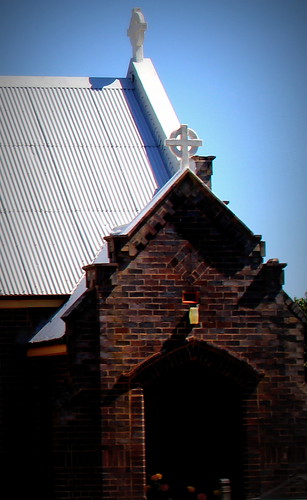
IMG 5803
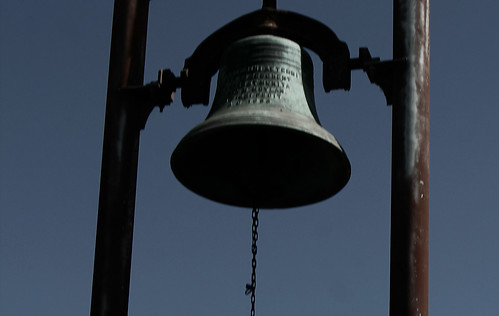
Catholic Church Bell Wingham NSW

Anathema
noun: anathema; plural noun: anathemas
  1. 1.
    something or someone that one vehemently dislikes.

    "racial hatred was anathema to her"

    synonyms:abhorrent, hateful, odious, repugnant, repellent, offensive; More
    abomination, abhorrence, aversion, monstrosity, outrage, evil, disgrace, bane, bugbear, bête noire, pariah

    "racial hatred was anathema to her"
  2. 2.
    a formal curse by a pope or a council of the Church, excommunicating a person or denouncing a doctrine.

    "the Pope laid special emphasis on the second of these anathemas"

    synonyms:curse, ban, excommunication, damnation, proscription, debarment, denunciation, malediction, execration, imprecation

    "the Vatican Council expressed their view without an anathema"
For this blog we will be looking at the second dictionary explanation above regarding the Roman Catholic Church.


IMG 5800 Catholic Church Wingham
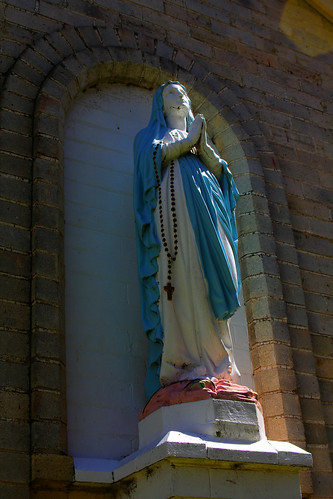
Statue of Mary Catholic Church Wingham

First Catholics worship Mary as Intercessor (Ave Maria) and also as Co-Redemptor along with Jesus. Pope Francis prayed to Mary in Lampedusa,
 http://www.zenit.org/en/articles/pope-s-marian-prayer-at-lampedusa

Infant regeneration is part of the CCC#1250 at the Vatican site: http://www.vatican.va/archive/ccc_css/archive/catechism/p2s2c1a1.htm

Indulgences are real...and back. Pope Francis encouraged time off in purgatory if you follow his tweets. This was July 2013,
 http://www.theguardian.com/world/2013/jul/16/vatican-indulgences-pope-francis-tweets

Yes catholics with a small 'c' means universal. The Catholic Church with a capital 'C' means the one true church according to them. According to Rome, anyone who is not a Catholic is cursed. (anathema).

The true issue is, "what do Catholics believe"?
The RCC teaches its members that the Church is infallible, most pointedly identified in the Pope. Yet only Christ is infallible.

The RCC teaches its people that the source of truth is the bible AND its church tradition. Yet the bible is the only source of truth.

The RCC teaches its people that grace comes in man-initiated ritual (anointing of oil, eucharist, etc). Yet only the Spirit dispenses grace.

The RCC teaches that its priests are 'alter Christus' or 'another Christ" but Christ alone is Christ. In the same way, the Pope is not Christ's substitute on earth (vicar of Christ means Substitute of Christ).

The "original" universal church was not the Catholic church of Rome, but the ragtag bunch of followers converted at Pentecost in Jerusalem.

RCC  =  Roman Catholic Church


Images @ Eminpee Fotography

Thursday, April 07, 2016

ZIONISM and WAHHABISM: The Twin Cancers Destroying the Middle East (and their Dark Origins)…


burningbloggerofbedlam-wahhabism
This is something I’ve been meaning to post about ever since starting this blog; it’s a subject immensely important to our current global situation and international climate and it’s an angle largely avoided in mainstream journalism that I’m aware of (as far as linking these two political/religious ideologies together is concerned).
It is a fascinating, though rather grim, story, spanning the First World War, the creation of the states of Israel, Iraq, Syria and Saudi Arabia, and taking in Lawrence of Arabia, the fall of Gadaffi in Libya, the Syria Civil War and Rise of Islamic State, among other things. It’s a story of long-term manipulation, insidious indoctrination, and secret, ‘mythical’ works of literature.
These two ideologies – Wahhabism in Islam and Zionism which is linked primarily to the Jewish religion – may seem like unrelated  entities on the surface of it…
View original post 5,473 more words

Wednesday, June 03, 2015

613 Jewish Commandments

Star of David in Synagogue Groningen 1
Source Flickr - John de Grooth
 

The Jewish philosopher Rabbi Maimonides, who also articulated the 13 Articles of Faith, made a list of the 613 commandments he found in the Torah, and they have since become a standard list of what God requires of Jews. The list isn't official, but has been well-received since the 13th century.


The 613 mitzvot are listed below, with their biblical references.
Compare Christianity vs. Islam vs. Judaism — ReligionFacts
  1. To know there is a God Ex. 20:2
  2. Not to entertain thoughts of other gods besides Him Ex. 20:3
  3. To know that He is one Deut. 6:4
  4. To love Him Deut. 6:5
  5. To fear Him Deut. 10:20
  6. To sanctify His Name Lev. 22:32
  7. Not to profane His Name Lev. 22:32
  8. Not to destroy objects associated with His Name Deut. 12:4
  9. To listen to the prophet speaking in His Name Deut. 18:15
  10. Not to test the prophet unduly Deut. 6:16
  11. To emulate His ways Deut. 28:9
  12. To cleave to those who know Him Deut. 10:20
  13. To love other Jews Lev. 19:18
  14. To love converts Deut. 10:19
  15. Not to hate fellow Jews Lev. 19:17
  16. To reprove a sinner Lev. 19:17
  17. Not to embarrass others Lev. 19:17
  18. Not to oppress the weak Ex. 21:22
  19. Not to speak derogatorily of others Lev. 19:16
  20. Not to take revenge Lev. 19:18
  21. Not to bear a grudge Lev. 19:18
  22. To learn Torah Deut. 6:7
  23. To honor those who teach and know Torah Lev. 19:32
  24. Not to inquire into idolatry Lev. 19:4
  25. Not to follow the whims of your heart or what your eyes see Num. 15:39
  26. Not to blaspheme Ex. 22:27
  27. Not to worship idols in the manner they are worshiped Ex. 20:5
  28. Not to worship idols in the four ways we worship God Ex. 20:5
  29. Not to make an idol for yourself Ex. 20:4
  30. Not to make an idol for others Lev. 19:4
  31. Not to make human forms even for decorative purposes Ex. 20:20
  32. Not to turn a city to idolatry Ex. 23:13
  33. To burn a city that has turned to idol worship Deut. 13:17
  34. Not to rebuild it as a city Deut. 13:17
  35. Not to derive benefit from it Deut. 13:18
  36. Not to missionize an individual to idol worship Deut. 13:12
  37. Not to love the missionary Deut. 13:9
  38. Not to cease hating the missionary Deut. 13:9
  39. Not to save the missionary Deut. 13:9
  40. Not to say anything in his defense Deut. 13:9
  41. Not to refrain from incriminating him Deut. 13:9
  42. Not to prophesize in the name of idolatry Deut. 13:14
  43. Not to listen to a false prophet Deut. 13:4
  44. Not to prophesize falsely in the name of God Deut. 18:20
  45. Not to be afraid of killing the false prophet Deut. 18:22
  46. Not to swear in the name of an idol Ex. 23:13
  47. Not to perform ov (medium) Lev. 19:31
  48. Not to perform yidoni ("magical seer") Lev. 19:31
  49. Not to pass your children through the fire to Molech Lev. 18:21
  50. Not to erect a column in a public place of worship Deut. 16:22
  51. Not to bow down on smooth stone Lev. 26:1
  52. Not to plant a tree in the Temple courtyard Deut. 16:21
  53. To destroy idols and their accessories Deut. 12:2
  54. Not to derive benefit from idols and their accessories Deut. 7:26
  55. Not to derive benefit from ornaments of idols Deut. 7:25
  56. Not to make a covenant with idolaters Deut. 7:2
  57. Not to show favor to them Deut. 7:2
  58. Not to let them dwell in the land of Israel Ex. 23:33
  59. Not to imitate them in customs and clothing Lev. 20:23
  60. Not to be superstitious Lev. 19:26
  61. Not to go into a trance to foresee events, etc. Deut. 18:10
  62. Not to engage in astrology Lev. 19:26
  63. Not to mutter incantations Deut. 18:11
  64. Not to attempt to contact the dead Deut. 18:11
  65. Not to consult the ov Deut. 18:11
  66. Not to consult the yidoni Deut. 18:11
  67. Not to perform acts of magic Deut. 18:10
  68. Men must not shave the hair off the sides of their head Lev. 19:27
  69. Men must not shave their beards with a razor Lev. 19:27
  70. Men must not wear women's clothing Deut. 22:5
  71. Women must not wear men's clothing Deut. 22:5
  72. Not to tattoo the skin Lev. 19:28
  73. Not to tear the skin in mourning Deut. 14:1
  74. Not to make a bald spot in mourning Deut. 14:1
  75. To repent and confess wrongdoings Num. 5:7
  76. To say the Shema twice daily Deut. 6:7
  77. To serve the Almighty with prayer daily Ex. 23:25
  78. The Kohanim must bless the Jewish nation daily Num. 6:23
  79. To wear tefillin on the head Deut. 6:8
  80. To bind tefillin on the arm Deut. 6:8
  81. To put a mezuzah on each door post Deut. 6:9
  82. Each male must write a Torah scroll Deut. 31:19
  83. The king must have a separate Sefer Torah for himself Deut. 17:18
  84. To have tzitzit on four-cornered garments Num. 15:38
  85. To bless the Almighty after eating Deut. 8:10
  86. To circumcise all males on the eighth day after their birth Lev. 12:3
  87. To rest on the seventh day Ex. 23:12
  88. Not to do prohibited labor on the seventh day Ex. 20:10
  89. The court must not inflict punishment on Shabbat Ex. 35:3
  90. Not to walk outside the city boundary on Shabbat Ex. 16:29
  91. To sanctify the day with Kiddush and Havdalah Ex. 20:8
  92. To rest from prohibited labor Lev. 23:32
  93. Not to do prohibited labor on Yom Kippur Lev. 23:32
  94. To afflict yourself on Yom Kippur Lev. 16:29
  95. Not to eat or drink on Yom Kippur Lev. 23:29
  96. To rest on the first day of Passover Lev. 23:7
  97. Not to do prohibited labor on the first day of Passover Lev. 23:8
  98. To rest on the seventh day of Passover Lev. 23:8
  99. Not to do prohibited labor on the seventh day of Passover Lev. 23:8
  100. To rest on Shavuot Lev. 23:21
  101. Not to do prohibited labor on Shavuot Lev. 23:21
  102. To rest on Rosh Hashana Lev. 23:24
  103. Not to do prohibited labor on Rosh Hashana Lev. 23:25
  104. To rest on Sukkot Lev. 23:35
  105. Not to do prohibited labor on Sukkot Lev. 23:35
  106. To rest on Shmini Atzeret Lev. 23:36
  107. Not to do prohibited labor on Shmini Atzeret Lev. 23:36
  108. Not to eat chametz on the afternoon of the 14th day of Nisan Deut. 16:3
  109. To destroy all chametz on 14th day of Nissan Ex. 12:15
  110. Not to eat chametz all seven days of Passover Ex. 13:3
  111. Not to eat mixtures containing chametz all seven days of Passover Ex. 12:20
  112. Not to see chametz in your domain seven days Ex. 13:7
  113. Not to find chametz in your domain seven days Ex. 12:19
  114. To eat matzah on the first night of Passover Ex. 12:18
  115. To relate the Exodus from Egypt on that night Ex. 13:8
  116. To hear the Shofar on the first day of Tishrei (Rosh Hashana) Num. 9:1
  117. To dwell in a Sukkah for the seven days of Sukkot Lev. 23:42
  118. To take up a Lulav and Etrog all seven days Lev. 23:40
  119. Each man must give a half shekel annually Ex. 30:13
  120. Courts must calculate to determine when a new month begins Ex. 12:2
  121. To afflict and cry out before God in times of catastrophe Num. 10:9
  122. To marry a wife by means of ketubah and kiddushin Deut. 22:13
  123. Not to have sexual relations with women not thus married Deut. 23:18
  124. Not to withhold food, clothing, and sexual relations from your wife Ex. 21:10
  125. To have children with one's wife Gen 1:28 HE
  126. To issue a divorce by means of a Get document Deut. 24:1
  127. A man must not remarry his wife after she has married someone else Deut. 24:4
  128. To do yibbum (marry the widow of one's childless brother) Deut. 25:5
  129. To do chalitzah (free the widow of one's childless brother from yibbum) Deut. 25:9
  130. The widow must not remarry until the ties with her brother-in-law are removed Deut. 25:5
  131. The court must fine one who sexually seduces a maiden Ex. 22:15-16
  132. The rapist must marry the maiden (if she chooses) Deut. 22:29
  133. He is never allowed to divorce her Deut. 22:29
  134. The slanderer must remain married to his wife Deut. 22:19
  135. He must not divorce her Deut. 22:19
  136. To fulfill the laws of the Sotah Num. 5:30
  137. Not to put oil on her meal offering Num. 5:15
  138. Not to put frankincense on her meal offering Num. 5:15
  139. Not to have sexual relations with your mother Lev. 18:7
  140. Not to have sexual relations with your father's wife Lev. 18:8
  141. Not to have sexual relations with your sister Lev. 18:9
  142. Not to have sexual relations with your father's wife's daughter Lev. 18:11
  143. Not to have sexual relations with your son's daughter Lev. 18:10
  144. Not to have sexual relations with your daughter Lev. 18:10
  145. Not to have sexual relations with your daughter's daughter Lev. 18:10
  146. Not to have sexual relations with a woman and her daughter Lev. 18:17
  147. Not to have sexual relations with a woman and her son's daughter Lev. 18:17
  148. Not to have sexual relations with a woman and her daughter's daughter Lev. 18:17
  149. Not to have sexual relations with your father's sister Lev. 18:12
  150. Not to have sexual relations with your mother's sister Lev. 18:13
  151. Not to have sexual relations with your father's brother's wife Lev. 18:14
  152. Not to have sexual relations with your son's wife Lev. 18:15
  153. Not to have sexual relations with your brother's wife Lev. 8:16
  154. Not to have sexual relations with your wife's sister Lev. 18:18
  155. A man must not have sexual relations with a beast Lev. 18:23
  156. A woman must not have sexual relations with a beast Lev. 18:23
  157. Not to have homosexual sexual relations Lev. 18:22
  158. Not to have homosexual sexual relations with your father Lev. 18:7
  159. Not to have homosexual sexual relations with your father's brother Lev. 18:14
  160. Not to have sexual relations with someone else's wife Lev. 18:20
  161. Not to have sexual relations with a menstrually impure woman Lev. 18:19
  162. Not to marry non-Jews Deut. 7:3
  163. Not to let Moabite and Ammonite males marry into the Jewish people Deut. 23:4
  164. Don't keep a third-generation Egyptian convert from marrying into the Jewish people Deut. 23:8-9
  165. Not to refrain from marrying a third generation Edomite convert Deut. 23:8-9
  166. Not to let a mamzer (a child born to an adulterous married woman) marry into the Jewish people Deut. 23:3
  167. Not to let a eunuch marry into the Jewish people Deut. 23:2
  168. Not to offer to God any castrated male animals Lev. 22:24
  169. The High Priest must not marry a widow Lev. 21:14
  170. The High Priest must not have sexual relations with a widow even outside of marriage Lev. 21:15
  171. The High Priest must marry a virgin maiden Lev. 21:13
  172. A Kohen must not marry a divorcee Lev. 21:7
  173. A Kohen must not marry a zonah (a woman who has had a forbidden sexual relationship) Lev. 21:7
  174. A priest must not marry a chalalah ("a desecrated person") (party to or product of 169-172) Lev. 21:7
  175. Not to make pleasurable (sexual) contact with any forbidden woman Lev. 18:6
  176. To examine the signs of animals to distinguish between kosher and non-kosher Lev. 11:2
  177. To examine the signs of fowl to distinguish between kosher and non-kosher Deut. 14:11
  178. To examine the signs of fish to distinguish between kosher and non-kosher Lev. 11:9
  179. To examine the signs of locusts to distinguish between kosher and non-kosher Lev. 11:21
  180. Not to eat non-kosher animals Lev. 11:4
  181. Not to eat non-kosher fowl Lev. 11:13
  182. Not to eat non-kosher fish Lev. 11:11
  183. Not to eat non-kosher flying insects Deut. 14:19
  184. Not to eat non-kosher creatures that crawl on land Lev. 11:41
  185. Not to eat non-kosher maggots Lev. 11:44
  186. Not to eat worms found in fruit on the ground Lev. 11:42
  187. Not to eat creatures that live in water other than (kosher) fish Lev. 11:43
  188. Not to eat the meat of an animal that died without ritual slaughter Deut. 14:21
  189. Not to benefit from an ox condemned to be stoned Ex. 21:28
  190. Not to eat meat of an animal that was mortally wounded Ex. 22:30
  191. Not to eat a limb torn off a living creature Deut.
  192. Not to eat blood Lev. 3:17
  193. Not to eat certain fats of clean animals Lev. 3:17
  194. Not to eat the sinew of the thigh Gen. 32:33
  195. Not to eat meat and milk cooked together Ex. 23:19
  196. Not to cook meat and milk together Ex. 34:26
  197. Not to eat bread from new grain before the Omer Lev. 23:14
  198. Not to eat parched grains from new grain before the Omer Lev. 23:14
  199. Not to eat ripened grains from new grain before the Omer Lev. 23:14
  200. Not to eat fruit of a tree during its first three years Lev. 19:23
  201. Not to eat diverse seeds planted in a vineyard Deut. 22:9
  202. Not to eat untithed fruits Lev. 22:15
  203. Not to drink wine poured in service to idols Deut. 32:38
  204. To ritually slaughter an animal before eating it Deut. 12:21
  205. Not to slaughter an animal and its offspring on the same day Lev. 22:28
  206. To cover the blood (of a slaughtered beast or fowl) with earth Lev. 17:13
  207. Not to take the mother bird from her children Deut. 22:6
  208. To release the mother bird if she was taken from the nest Deut. 22:7
  209. Not to swear falsely in God's Name Lev. 19:12
  210. Not to take God's Name in vain Ex. 20:6
  211. Not to deny possession of something entrusted to you Lev. 19:11
  212. Not to swear in denial of a monetary claim Lev. 19:11
  213. To swear in God's Name to confirm the truth when deemed necessary by court Deut. 10:20
  214. To fulfill what was uttered and to do what was avowed Deut. 23:24
  215. Not to break oaths or vows Num. 30:3
  216. For oaths and vows annulled, there are the laws of annulling vows explicit in the Torah Num. 30:3
  217. The Nazir must let his hair grow Num. 6:5
  218. He must not cut his hair Num. 6:5
  219. He must not drink wine, wine mixtures, or wine vinegar Num. 6:3
  220. He must not eat fresh grapes Num. 6:3
  221. He must not eat raisins Num. 6:3
  222. He must not eat grape seeds Num. 6:4
  223. He must not eat grape skins Num. 6:4
  224. He must not be under the same roof as a corpse Num. 6:6
  225. He must not come into contact with the dead Num. 6:7
  226. He must shave after bringing sacrifices upon completion of his Nazirite period Num. 6:9
  227. To estimate the value of people as determined by the Torah Lev. 27:2
  228. To estimate the value of consecrated animals Lev. 27:12-13
  229. To estimate the value of consecrated houses Lev. 27:14
  230. To estimate the value of consecrated fields Lev. 27:16
  231. Carry out the laws of interdicting possessions (cherem) Lev. 27:28
  232. Not to sell the cherem Lev. 27:28
  233. Not to redeem the cherem Lev. 27:28
  234. Not to plant diverse seeds together Lev. 19:19
  235. Not to plant grains or greens in a vineyard Deut. 22:9
  236. Not to crossbreed animals Lev. 19:19
  237. Not to work different animals together Deut. 22:10
  238. Not to wear shatnez, a cloth woven of wool and linen Deut. 22:11
  239. To leave a corner of the field uncut for the poor Lev. 19:10
  240. Not to reap that corner Lev. 19:9
  241. To leave gleanings Lev. 19:9
  242. Not to gather the gleanings Lev. 19:9
  243. To leave the gleanings of a vineyard Lev. 19:10
  244. Not to gather the gleanings of a vineyard Lev. 19:10
  245. To leave the unformed clusters of grapes Lev. 19:10
  246. Not to pick the unformed clusters of grapes Lev. 19:10
  247. To leave the forgotten sheaves in the field Deut. 24:19
  248. Not to retrieve them Deut. 24:19
  249. To separate the tithe for the poor Deut. 14:28
  250. To give charity Deut. 15:8
  251. Not to withhold charity from the poor Deut. 15:7
  252. To set aside Terumah Gedolah (tithe for the Kohen) Deut. 18:4
  253. The Levite must set aside a tenth of his tithe Num. 18:26
  254. Not to preface one tithe to the next, but separate them in their proper order Ex. 22:28
  255. A non-Kohen must not eat Terumah Lev. 22:10
  256. A hired worker or a Jewish bondsman of a Kohen must not eat Terumah Lev. 22:10
  257. An uncircumcised Kohen must not eat Terumah Ex. 12:48
  258. An impure Kohen must not eat Terumah Lev. 22:4
  259. A chalalah must not eat Terumah Lev. 22:12
  260. To set aside Ma'aser (tithe) each planting year and give it to a Levite Num. 18:24
  261. To set aside the second tithe (Ma'aser Sheni) Deut. 14:22
  262. Not to spend its redemption money on anything but food, drink, or ointment Deut. 26:14
  263. Not to eat Ma'aser Sheni while impure Deut. 26:14
  264. A mourner on the first day after death must not eat Ma'aser Sheni Deut. 26:14
  265. Not to eat Ma'aser Sheni grains outside Jerusalem Deut. 12:17
  266. Not to eat Ma'aser Sheni wine products outside Jerusalem Deut. 12:17
  267. Not to eat Ma'aser Sheni oil outside Jerusalem Deut. 12:17
  268. The fourth year crops must be totally for holy purposes like Ma'aser Sheni Lev. 19:24
  269. To read the confession of tithes every fourth and seventh year Deut. 26:13
  270. To set aside the first fruits and bring them to the Temple Ex. 23:19
  271. The Kohanim must not eat the first fruits outside Jerusalem Deut. 12:17
  272. To read the Torah portion pertaining to their presentation Deut. 26:5
  273. To set aside a portion of dough for a Kohen Num. 15:20
  274. To give the shoulder, two cheeks, and stomach of slaughtered animals to a Kohen Deut. 18:3
  275. To give the first sheering of sheep to a Kohen Deut. 18:4
  276. To redeem the firstborn sons and give the money to a Kohen Num. 18:15
  277. To redeem the firstborn donkey by giving a lamb to a Kohen Ex. 13:13
  278. To break the neck of the donkey if the owner does not intend to redeem it Ex. 13:13
  279. To rest the land during the seventh year by not doing any work which enhances growth Ex. 34:21
  280. Not to work the land during the seventh year Lev. 25:4
  281. Not to work with trees to produce fruit during that year Lev. 25:4
  282. Not to reap crops that grow wild that year in the normal manner Lev. 25:5
  283. Not to gather grapes which grow wild that year in the normal way Lev. 25:5
  284. To leave free all produce which grew in that year Ex. 23:11
  285. To release all loans during the seventh year Deut. 15:2
  286. Not to pressure or claim from the borrower Deut. 15:2
  287. Not to refrain from lending immediately before the release of the loans for fear of monetary loss Deut. 15:9
  288. The Sanhedrin must count seven groups of seven years Lev. 25:8
  289. The Sanhedrin must sanctify the fiftieth year Lev. 25:10
  290. To blow the Shofar on the tenth of Tishrei to free the slaves Lev. 25:9
  291. Not to work the soil during the fiftieth year (Jubilee) Lev. 25:11
  292. Not to reap in the normal manner that which grows wild in the fiftieth year Lev. 25:11
  293. Not to pick grapes which grew wild in the normal manner in the fiftieth year Lev. 25:11
  294. Carry out the laws of sold family properties Lev. 25:24
  295. Not to sell the land in Israel indefinitely Lev. 25:23
  296. Carry out the laws of houses in walled cities Lev. 25:29
  297. The Tribe of Levi must not be given a portion of the land in Israel, rather they are given cities to dwell in Deut. 18:1
  298. The Levites must not take a share in the spoils of war Deut. 18:1
  299. To give the Levites cities to inhabit and their surrounding fields Num. 35:2
  300. Not to sell the fields but they shall remain the Levites' before and after the Jubilee year Lev. 25:34
  301. To build a Sanctuary Ex. 25:8
  302. Not to build the altar with stones hewn by metal Ex. 20:23
  303. Not to climb steps to the altar Ex. 20:26
  304. To show reverence to the Temple Lev. 19:30
  305. To guard the Temple area Num. 18:2
  306. Not to leave the Temple unguarded Num. 18:5
  307. To prepare the anointing oil Ex. 30:31
  308. Not to reproduce the anointing oil Ex. 30:32
  309. Not to anoint with anointing oil Ex. 30:32
  310. Not to reproduce the incense formula Ex. 30:37
  311. Not to burn anything on the Golden Altar besides incense Ex. 30:9
  312. The Levites must transport the ark on their shoulders Num. 7:9
  313. Not to remove the staves from the ark Ex. 25:15
  314. The Levites must work in the Temple Num. 18:23
  315. No Levite must do another's work of either a Kohen or a Levite Num. 18:3
  316. To dedicate the Kohen for service Lev. 21:8
  317. The work of the Kohanim 's shifts must be equal during holidays Deut. 18:6-8
  318. The Kohanim must wear their priestly garments during service Ex. 28:2
  319. Not to tear the priestly garments Ex. 28:32
  320. The Kohen Gadol 's breastplate must not be loosened from the Efod Ex. 28:28
  321. A Kohen must not enter the Temple intoxicated Lev. 10:9
  322. A Kohen must not enter the Temple with long hair Lev. 10:6
  323. A Kohen must not enter the Temple with torn clothes Lev. 10:6
  324. A Kohen must not enter the Temple indiscriminately Lev. 16:2
  325. A Kohen must not leave the Temple during service Lev. 10:7
  326. To send the impure from the Temple Num. 5:2
  327. Impure people must not enter the Temple Num. 5:3
  328. Impure people must not enter the Temple Mount area Deut. 23:11
  329. Impure Kohanim must not do service in the temple Lev. 22:2
  330. An impure Kohen, following immersion, must wait until after sundown before returning to service Lev. 22:7
  331. A Kohen must wash his hands and feet before service Ex. 30:19
  332. A Kohen with a physical blemish must not enter the sanctuary or approach the altar Lev. 21:23
  333. A Kohen with a physical blemish must not serve Lev. 21:17
  334. A Kohen with a temporary blemish must not serve Lev. 21:17
  335. One who is not a Kohen must not serve Num. 18:4
  336. To offer only unblemished animals Lev. 22:21
  337. Not to dedicate a blemished animal for the altar Lev. 22:20
  338. Not to slaughter it Lev. 22:22
  339. Not to sprinkle its blood Lev. 22:24
  340. Not to burn its fat Lev. 22:22
  341. Not to offer a temporarily blemished animal Deut. 17:1
  342. Not to sacrifice blemished animals even if offered by non-Jews Lev. 22:25
  343. Not to inflict wounds upon dedicated animals Lev. 22:21
  344. To redeem dedicated animals which have become disqualified Deut. 12:15
  345. To offer only animals which are at least eight days old Lev. 22:27
  346. Not to offer animals bought with the wages of a harlot or the animal exchanged for a dog Deut. 23:19
  347. Not to burn honey or yeast on the altar Lev. 2:11
  348. To salt all sacrifices Lev. 2:13
  349. Not to omit the salt from sacrifices Lev. 2:13
  350. Carry out the procedure of the burnt offering as prescribed in the Torah Lev. 1:3
  351. Not to eat its meat Deut. 12:17
  352. Carry out the procedure of the sin offering Lev. 6:18
  353. Not to eat the meat of the inner sin offering Lev. 6:23
  354. Not to decapitate a fowl brought as a sin offering Lev. 5:8
  355. Carry out the procedure of the guilt offering Lev. 7:1
  356. The Kohanim must eat the sacrificial meat in the Temple Ex. 29:33
  357. The Kohanim must not eat the meat outside the Temple courtyard Deut. 12:17
  358. A non-Kohen must not eat sacrificial meat Ex. 29:33
  359. To follow the procedure of the peace offering Lev. 7:11
  360. Not to eat the meat of minor sacrifices before sprinkling the blood Deut. 12:17
  361. To bring meal offerings as prescribed in the Torah Lev. 2:1
  362. Not to put oil on the meal offerings of wrongdoers Lev. 5:11
  363. Not to put frankincense on the meal offerings of wrongdoers Lev. 3:11
  364. Not to eat the meal offering of the High Priest Lev. 6:16
  365. Not to bake a meal offering as leavened bread Lev. 6:10
  366. The Kohanim must eat the remains of the meal offerings Lev. 6:9
  367. To bring all avowed and freewill offerings to the Temple on the first subsequent festival Deut. 12:5-6
  368. Not to withhold payment incurred by any vow Deut. 23:22
  369. To offer all sacrifices in the Temple Deut. 12:11
  370. To bring all sacrifices from outside Israel to the Temple Deut. 12:26
  371. Not to slaughter sacrifices outside the courtyard Lev. 17:4
  372. Not to offer any sacrifices outside the courtyard Deut. 12:13
  373. To offer two lambs every day Num. 28:3
  374. To light a fire on the altar every day Lev. 6:6
  375. Not to extinguish this fire Lev. 6:6
  376. To remove the ashes from the altar every day Lev. 6:3
  377. To burn incense every day Ex. 30:7
  378. To light the Menorah every day Ex. 27:21
  379. The Kohen Gadol ("High Priest") must bring a meal offering every day Lev. 6:13
  380. To bring two additional lambs as burnt offerings on Shabbat Num 28:9 HE
  381. To make the show bread Ex. 25:30
  382. To bring additional offerings on Rosh Chodesh (" The New Month") Num. 28:11
  383. To bring additional offerings on Passover Num. 28:19
  384. To offer the wave offering from the meal of the new wheat Lev. 23:10
  385. Each man must count the Omer - seven weeks from the day the new wheat offering was brought Lev. 23:15
  386. To bring additional offerings on Shavuot Num. 28:26
  387. To bring two leaves to accompany the above sacrifice Lev. 23:17
  388. To bring additional offerings on Rosh Hashana Num. 29:2
  389. To bring additional offerings on Yom Kippur Num. 29:8
  390. To bring additional offerings on Sukkot Num. 29:13
  391. To bring additional offerings on Shmini Atzeret Num. 29:35
  392. Not to eat sacrifices which have become unfit or blemished Deut. 14.3
  393. Not to eat from sacrifices offered with improper intentions Lev. 7:18
  394. Not to leave sacrifices past the time allowed for eating them Lev. 22:30
  395. Not to eat from that which was left over Lev. 19:8
  396. Not to eat from sacrifices which became impure Lev. 7:19
  397. An impure person must not eat from sacrifices Lev. 7:20
  398. To burn the leftover sacrifices Lev. 7:17
  399. To burn all impure sacrifices Lev. 7:19
  400. To follow the procedure of Yom Kippur in the sequence prescribed in Parshat Acharei Mot ("After the death of Aaron's sons...") Lev. 16:3
  401. One who profaned property must repay what he profaned plus a fifth and bring a sacrifice Lev. 5:16
  402. Not to work consecrated animals Deut. 15:19
  403. Not to shear the fleece of consecrated animals Deut. 15:19
  404. To slaughter the paschal sacrifice at the specified time Ex. 12:6
  405. Not to slaughter it while in possession of leaven Ex. 23:18
  406. Not to leave the fat overnight Ex. 23:18
  407. To slaughter the second Paschal Lamb Num. 9:11
  408. To eat the Paschal Lamb with matzah and Marror on the night of the fourteenth of Nisan Ex. 12:8
  409. To eat the second Paschal Lamb on the night of the 15th of Iyar Num. 9:11
  410. Not to eat the paschal meat raw or boiled Ex. 12:9
  411. Not to take the paschal meat from the confines of the group Ex. 12:46
  412. An apostate must not eat from it Ex. 12:43
  413. A permanent or temporary hired worker must not eat from it Ex. 12:45
  414. An uncircumcised male must not eat from it Ex. 12:48
  415. Not to break any bones from the paschal offering Ex. 12:46
  416. Not to break any bones from the second paschal offering Num. 9:12
  417. Not to leave any meat from the paschal offering over until morning Ex. 12:10
  418. Not to leave the second paschal meat over until morning Num. 9:12
  419. Not to leave the meat of the holiday offering of the 14th until the 16th Deut. 16:4
  420. To be seen at the Temple on Passover, Shavuot, and Sukkot Deut. 16:16
  421. To celebrate on these three Festivals (bring a peace offering) Ex. 23:14
  422. To rejoice on these three Festivals (bring a peace offering) Deut. 16:14
  423. Not to appear at the Temple without offerings Deut. 16:16
  424. Not to refrain from rejoicing with, and giving gifts to, the Levites Deut. 12:19
  425. To assemble all the people on the Sukkot following the seventh year Deut. 31:12
  426. To set aside the firstborn animals Ex. 13:12
  427. The Kohanim must not eat unblemished firstborn animals outside Jerusalem Deut. 12:17
  428. Not to redeem the firstborn Num. 18:17
  429. Separate the tithe from animals Lev. 27:32
  430. Not to redeem the tithe Lev. 27:33
  431. Every person must bring a sin offering (in the temple) for his transgression Lev. 4:27
  432. Bring an asham talui (temple offering) when uncertain of guilt Lev. 5:17-18
  433. Bring an asham vadai (temple offering) when guilt is ascertained Lev. 5:25
  434. Bring an oleh v'yored (temple offering) offering (if the person is wealthy, an animal; if poor, a bird or meal offering) Lev. 5:7-11
  435. The Sanhedrin must bring an offering (in the Temple) when it rules in error Lev. 4:13
  436. A woman who had a running (vaginal) issue must bring an offering (in the Temple) after she goes to the Mikveh Lev. 15:28-29
  437. A woman who gave birth must bring an offering (in the Temple) after she goes to the Mikveh Lev. 12:6
  438. A man who had a running (unnatural urinary) issue must bring an offering (in the Temple) after he goes to the Mikveh Lev. 15:13-14
  439. A metzora must bring an offering (in the Temple) after going to the Mikveh Lev. 14:10
  440. Not to substitute another beast for one set apart for sacrifice Lev. 27:10
  441. The new animal, in addition to the substituted one, retains consecration Lev. 27:10
  442. Not to change consecrated animals from one type of offering to another Lev. 27:26
  443. Carry out the laws of impurity of the dead Num. 19:14
  444. Carry out the procedure of the Red Heifer (Para Aduma) Num. 19:2
  445. Carry out the laws of the sprinkling water Num. 19:21
  446. Rule the laws of human tzara'at as prescribed in the Torah Lev. 13:12
  447. The metzora must not remove his signs of impurity Deut. 24:8
  448. The metzora must not shave signs of impurity in his hair Lev. 13:33
  449. The metzora must publicize his condition by tearing his garments, allowing his hair to grow and covering his lips Lev. 13:45
  450. Carry out the prescribed rules for purifying the metzora Lev. 14:2
  451. The metzora must shave off all his hair prior to purification Lev. 14:9
  452. Carry out the laws of tzara'at of clothing Lev. 13:47
  453. Carry out the laws of tzara'at of houses Lev. 13:34
  454. Observe the laws of menstrual impurity Lev. 15:19
  455. Observe the laws of impurity caused by childbirth Lev. 12:2
  456. Observe the laws of impurity caused by a woman's running issue Lev. 15:25
  457. Observe the laws of impurity caused by a man's running issue (irregular ejaculation of infected semen) Lev. 15:3
  458. Observe the laws of impurity caused by a dead beast Lev. 11:39
  459. Observe the laws of impurity caused by the eight shratzim (insects) Lev. 11:29
  460. Observe the laws of impurity of a seminal emission (regular ejaculation, with normal semen) Lev. 15:16
  461. Observe the laws of impurity concerning liquid and solid foods Lev. 11:34
  462. Every impure person must immerse himself in a Mikveh to become pure Lev. 15:16
  463. The court must judge the damages incurred by a goring ox Ex. 21:28
  464. The court must judge the damages incurred by an animal eating Ex. 22:4
  465. The court must judge the damages incurred by a pit Ex. 21:33
  466. The court must judge the damages incurred by fire Ex. 22:5
  467. Not to steal money stealthily Lev. 19:11
  468. The court must implement punitive measures against the thief Ex. 21:37
  469. Each individual must ensure that his scales and weights are accurate Lev. 19:36
  470. Not to commit injustice with scales and weights Lev. 19:35
  471. Not to possess inaccurate scales and weights even if they are not for use Deut. 25:13
  472. Not to move a boundary marker to steal someone's property Deut. 19:14
  473. Not to kidnap Ex. 20:13
  474. Not to rob openly Lev. 19:13
  475. Not to withhold wages or fail to repay a debt Lev. 19:13
  476. Not to covet and scheme to acquire another's possession Ex. 20:14
  477. Not to desire another's possession Deut. 5:18
  478. Return the robbed object or its value Lev. 5:23
  479. Not to ignore a lost object Deut. 22:3
  480. Return the lost object Deut. 22:1
  481. The court must implement laws against the one who assaults another or damages another's property Ex. 21:18
  482. Not to murder Ex. 20:13
  483. Not to accept monetary restitution to atone for the murderer Num. 35:31
  484. The court must send the accidental murderer to a city of refuge Num. 35:25
  485. Not to accept monetary restitution instead of being sent to a city of refuge Num. 35:32
  486. Not to kill the murderer before he stands trial Num. 35:12
  487. Save someone being pursued even by taking the life of the pursuer Deut. 25:12
  488. Not to pity the pursuer Num. 35:12
  489. Not to stand idly by if someone's life is in danger Lev. 19:16
  490. Designate cities of refuge and prepare routes of access Deut. 19:3
  491. Break the neck of a calf by the river valley following an unsolved murder Deut. 21:4
  492. Not to work nor plant that river valley Deut. 21:4
  493. Not to allow pitfalls and obstacles to remain on your property Deut. 22:8
  494. Make a guard rail around flat roofs Deut. 22:8
  495. Not to put a stumbling block before a blind man (nor give harmful advice) (Lifnei iver) Lev. 19:14
  496. Help another remove the load from a beast which can no longer carry it Ex. 23:5
  497. Help others load their beast Deut. 22:4
  498. Not to leave others distraught with their burdens (but to help either load or unload) Deut. 22:4
  499. Buy and sell according to Torah law Lev. 25:14
  500. Not to overcharge or underpay for an article Lev. 25:14
  501. Not to insult or harm anybody with words Lev. 25:17
  502. Not to cheat a sincere convert monetarily Ex. 22:20
  503. Not to insult or harm a sincere convert with words Ex. 22:20
  504. Purchase a Hebrew slave in accordance with the prescribed laws >Ex. 21:2
  505. Not to sell him as a slave is sold Lev. 25:42
  506. Not to work him oppressively Lev. 25:43
  507. Not to allow a non-Jew to work him oppressively Lev. 25:53
  508. Not to have him do menial slave labor Lev. 25:39
  509. Give him gifts when he goes free Deut. 15:14
  510. Not to send him away empty-handed Deut. 15:13
  511. Redeem Jewish maidservants Ex. 21:8
  512. Betroth the Jewish maidservant Ex. 21:8
  513. The master must not sell his maidservant Ex. 21:8
  514. Canaanite slaves must work forever unless injured in one of their limbs Lev. 25:46
  515. Not to extradite a slave who fled to (Biblical) Israel Deut. 23:16
  516. Not to wrong a slave who has come to Israel for refuge Deut. 23:16
  517. The courts must carry out the laws of a hired worker and hired guard Ex. 22:9
  518. Pay wages on the day they were earned Deut. 24:15
  519. Not to delay payment of wages past the agreed time Lev. 19:13
  520. The hired worker may eat from the unharvested crops where he works Deut. 23:25
  521. The worker must not eat while on hired time Deut. 23:26
  522. The worker must not take more than he can eat Deut. 23:25
  523. Not to muzzle an ox while plowing Deut. 25:4
  524. The courts must carry out the laws of a borrower Ex. 22:13
  525. The courts must carry out the laws of an unpaid guard Ex. 22:6
  526. Lend to the poor and destitute Ex. 22:24
  527. Not to press them for payment if you know they don't have it Ex. 22:24
  528. Press the idolater for payment Deut. 15:3
  529. The creditor must not forcibly take collateral Deut. 24:10
  530. Return the collateral to the debtor when needed Deut. 24:13
  531. Not to delay its return when needed Deut. 24:12
  532. Not to demand collateral from a widow Deut. 24:17
  533. Not to demand as collateral utensils needed for preparing food Deut. 24:6
  534. Not to lend with interest Lev. 25:37
  535. Not to borrow with interest Deut. 23:20
  536. Not to intermediate in an interest loan, guarantee, witness, or write the promissory note Ex. 22:24
  537. Lend to and borrow from idolaters with interest Deut. 23:21
  538. The courts must carry out the laws of the plaintiff, admitter, or denier Ex. 22:8
  539. Carry out the laws of the order of inheritance Num. 27:8
  540. Appoint judges Deut. 16:18
  541. Not to appoint judges who are not familiar with judicial procedure Deut. 1:17
  542. Decide by majority in case of disagreement Ex. 23:2
  543. The court must not execute through a majority of one; at least a majority of two is required Ex. 23:2
  544. A judge who presented an acquittal plea must not present an argument for conviction in capital cases Deut. 23:2
  545. The courts must carry out the death penalty of stoning Deut. 22:24
  546. The courts must carry out the death penalty of burning Lev. 20:14
  547. The courts must carry out the death penalty of the sword Ex. 21:20
  548. The courts must carry out the death penalty of strangulation Lev. 20:10
  549. The courts must hang those stoned for blasphemy or idolatry Deut. 21:22
  550. Bury the executed on the day they are killed Deut. 21:23
  551. Not to delay burial overnight Deut. 21:23
  552. The court must not let the sorcerer live Ex. 22:17
  553. The court must give lashes to the wrongdoer Ex. 25:2
  554. The court must not exceed the prescribed number of lashes Deut. 25:3
  555. The court must not kill anybody on circumstantial evidence Ex. 23:7
  556. The court must not punish anybody who was forced to do a crime Deut. 22:26
  557. A judge must not pity the murderer or assaulter at the trial Deut. 19:13
  558. A judge must not have mercy on the poor man at the trial Lev. 19:15
  559. A judge must not respect the great man at the trial Lev. 19:15
  560. A judge must not decide unjustly the case of the habitual transgressor Ex. 23:6
  561. A judge must not pervert justice Lev. 19:15
  562. A judge must not pervert a case involving a convert or orphan Deut. 24:17
  563. Judge righteously Lev. 19:15
  564. The judge must not fear a violent man in judgment Deut. 1:17
  565. Judges must not accept bribes Ex. 23:8
  566. Judges must not accept testimony unless both parties are present Ex. 23:1
  567. Not to curse judges Ex. 22:27
  568. Not to curse the head of state or leader of the Sanhedrin Ex. 22:27
  569. Not to curse any upstanding Jew Lev. 19:14
  570. Anybody who knows evidence must testify in court Lev. 5:1
  571. Carefully interrogate the witness Deut. 13:15
  572. A witness must not serve as a judge in capital crimes Deut. 19:17
  573. Not to accept testimony from a lone witness Deut. 19:15
  574. Transgressors must not testify Ex. 23:1
  575. Relatives of the litigants must not testify Deut. 24:16
  576. Not to testify falsely Ex. 20:13
  577. Punish the false witnesses as they tried to punish the defendant Deut. 19:19
  578. Act according to the ruling of the Sanhedrin Deut. 17:11
  579. Not to deviate from the word of the Sanhedrin Deut. 17:11
  580. Not to add to the Torah commandments or their oral explanations Deut. 13:1
  581. Not to diminish from the Torah any commandments, in whole or in part Deut. 13:1
  582. Not to curse your father and mother Ex. 21:17
  583. Not to strike your father and mother Ex. 21:15
  584. Respect your father or mother Ex. 20:12
  585. Fear your father or mother Lev. 19:3
  586. Not to be a rebellious son Deut. 21:18
  587. Mourn for relatives Lev. 10:19
  588. The High Priest must not defile himself for any relative Lev. 21:11
  589. The High Priest must not enter under the same roof as a corpse Lev. 21:11
  590. A Kohen must not defile himself (by going to funerals or cemeteries) for anyone except relatives Lev. 21:1
  591. Appoint a king from Israel Deut. 17:15
  592. Not to appoint a convert Deut. 17:15
  593. The king must not have too many wives Deut. 17:17
  594. The king must not have too many horses Deut. 17:16
  595. The king must not have too much silver and gold Deut. 17:17
  596. Destroy the seven Canaanite nations Deut. 20:17
  597. Not to let any of them remain alive Deut. 20:16
  598. Wipe out the descendants of Amalek Deut. 25:19
  599. Remember what Amalek did to the Jewish people Deut. 25:17
  600. Not to forget Amalek's atrocities and ambush on our journey from Egypt in the desert Deut. 25:19
  601. Not to dwell permanently in Egypt Deut. 17:16
  602. Offer peace terms to the inhabitants of a city while holding siege, and treat them according to the Torah if they accept the terms Deut. 20:10
  603. Not to offer peace to Ammon and Moab while besieging them Deut. 23:7
  604. Not to destroy fruit trees even during the siege Deut. 20:19
  605. Prepare latrines outside the camps Deut. 23:13
  606. Prepare a shovel for each soldier to dig with Deut. 23:14
  607. Appoint a priest to speak with the soldiers during the war Deut. 20:2
  608. He who has taken a wife, built a new home, or planted a vineyard is given a year to rejoice with his possessions Deut. 24:5
  609. Not to demand from the above any involvement, communal or military Deut. 24:5
  610. Not to panic and retreat during battle Deut. 20:3
  611. Keep the laws of the captive woman Deut. 21:11
  612. Not to sell her into slavery Deut. 21:14
  613. Not to retain her for servitude after having sexual relations with her Deut. 21:14  
    Source Judaism Practices
0587.1 - Window in St James
 Images @ Eminpee Fotographywindow

Tuesday, April 28, 2015

Looking at the Truth of "Passover"

IMG 2194  Daynes Party
Fire is spoken of as tongues of fire ...

The deep past is littered with holy days and festivals that have long since either lost their true meaning or the meaning has been purposely concealed for as they say the benefit of the minions.  The history as told by the corrupt half there book called BIBLE does not do the story justice ... according to many learned amongst us, this passover is a reference to an astrological event which was then Christianized by the Roman Church post the adoption of the festival by the false Jews at that time.
The Passover is the annual passing over of the sun from the southern to the northern hemisphere, according to primitive ideas concerning astronomy. The sacrifice of the lamb at this period was practised by the pagan Greeks who regarded the vernal equinox as the annual rebirth of the savior god. The ceremony of Easter is the perpetuation of pagan equinoctial rites.
Manly P Hall
For instance, when we read of "lamb's blood" being daubed on the portals of doorways, we are being told of this constellational change. When we hear of the Jewish priests blowing the "ram's horn" at the Eastern gate of the temple, we are being told of it, and when we hear of the sacrifice of the "Paschal Lamb," the story is the same.

The very term "Passover," originally referred to this action of the sun literally passing over the hypothetical boundaries of the signs of the zodiac. The most important biblical rendition of the astrological story and dilemma concerns the time of the exiled Children of Israel at Mount Sinai. It was here that the people returned to the worship of the "golden calf," that is of Taurus.

As the Book of Exodus relates, Moses was furious with his people's recalcitrance and smashed the tablets with his Yahwistic (Atonist) commandments on them.


Michael Tsarion / The Irish Origins of Civilization, Volume 2
Free Bible illustrations at Free Bible images of Moses and the golden calf. (Exodus 32): Slide 7
Add caption
From Wikipedia ....
Pentecost (Ancient Greek: Πεντηκοστή [ἡμέρα], Pentēkostē [hēmera], "the fiftieth [day]") is the Greek name for Shavuot, the Feast of Weeks, a prominent feast in the calendar of ancient Israel celebrating the giving of the Law on Sinai.
This feast is still celebrated in Judaism as Shavuot. Later, in the Christian liturgical year, it became a feast commemorating the descent of the Holy Spirit upon the Apostles and other followers of Jesus Christ (120 in all), as described in the Acts of the Apostles 2:1–31.

For this reason, Pentecost is sometimes described by some Christians today as the "Birthday of the Church".

In the Eastern church, Pentecost can also refer to the whole fifty (50) days between Easter and Pentecost, hence the book containing the liturgical texts for Paschaltide is called the Pentecostarion. The feast is also called White Sunday, or Whitsunday, especially in England, where the following Monday was traditionally a public holiday. Pentecost is celebrated fifty days (i.e. 49 days with the first day counted, seven weeks) after Easter Sunday, hence its name.[2] Pentecost falls on the tenth day after Ascension Thursday (which falls 40 days after Easter).
The Pentecostal movement of Christianity derives its name from the New Testament event.
Passover or Pesach (/ˈpɛsɑːx, ˈpsɑːx/; from Hebrew פֶּסַח Pesah, Pesakh), is an important, biblically derived Jewish festival.
The Jewish people celebrate Passover as a commemoration of their liberation by God from slavery in Egypt and their freedom as a nation under the leadership of Moses. It commemorates the story of the Exodus as described in the Hebrew Bible especially in the Book of Exodus, in which the Israelites were freed from slavery in Egypt.

According to standard biblical chronology, this event would have taken at about 1300 BCE (AM 2450).

Passover commences on the 15th of the Hebrew month of Nisan and lasts for either seven days (in Israel) and for Reform Jews and other progressive Jews around the world who adhere to the Biblical commandment or eight days for Orthodox, Hasidic, and most Conservative Jews (in the diaspora).

In Judaism, a day commences at dusk and lasts until the following dusk, thus the first day of Passover only begins after dusk of the 14th of Nisan and ends at dusk of the 15th day of the month of Nisan.

The rituals unique to the Passover celebrations commence with the Passover Seder when the 15th of Nisan has begun. In the Northern Hemisphere Passover takes place in spring as the Torah prescribes it: "in the month of  spring" (בחדש האביב Exodus 23:15).

It is one of the most widely observed Jewish holidays.
CALENDAR:

Nisan
(or Nissan) (Hebrew: נִיסָן‎, Standard Nisan Tiberian Nîsān) on the Assyrian calendar is the first month and on the Hebrew calendar is the first month of the ecclesiastical year and the seventh month (eighth, in leap year) of the civil year.

The name of the month is Babylonian; in the Torah it is called the month of the Aviv, referring to the month in which barley was ripe. Assyrians refer to the month as the "month of happiness." It is a spring month of 30 days. Nisan usually falls in March–April on the Gregorian calendar. In the Book of Esther in the Tanakh it is referred to as Nisan.

Images @ Eminpee Fotography- fire

Thursday, January 01, 2015

Zoroastrianism and Mithaism

The verbal root yaz- "to worship, to honor, to venerate". ie the "YAZIDI KURDS". Do the Yazidi Kurds still worship the Mithra or were they Zoroastrian.

IMG 2817
Music Education
1. ZOROASTRIANISM /ˌzɒroʊˈæstriənɪzəm/, also called Zarathustraism, Mazdaism and Magianism, is an ancient monotheistic Iranian religion and a religious philosophy. It was once the state religion of the Achaemenid, Parthian, and Sasanian empires. Estimates of the current number of

Zoroastrians worldwide vary between approximately 145,000 circa 2000 and 2.6 million in more recent estimates. The change over the last decade is attributed to a greater level of reporting and open self-identification more so than to an actual increase in population; however, precise numbers remain difficult to obtain in part due to high levels of historic persecution in Middle Eastern regions.

Zoroastrianism arose in the eastern region of the ancient Persian Empire, when the religious philosopher Zoroaster simplified the pantheon of early Iranian gods[2] into two opposing forces: Spenta Mainyu ("progressive mentality") and Angra Mainyu ("destructive mentality") under the one God, Ahura Mazda ("Illuminating Wisdom").

Zoroaster's ideas led to a formal religion bearing his name by about the 6th century BCE and have influenced other later religions including Judaism, Gnosticism, Christianity and Islam

2. The MITHRA is the faith or way the ROME venerated before converting to this lewd failed form of Christendom (false polluted form of Christian faith) they still worship today.

The Roman Empire were very good at illusion and creating the story along with the pomp and pageantry to make it look right royal and all the while it stunk to high heaven. For example, the corruption and thievery the entire RELIGION is built on. Its not good.. not at all.

Then to carry out their plans throughout history they continually had around them the brightest scholars and people at their disposal to write history how ever they chose to record it I suppose.
They did everything else with deceit - why would this be any different today? If someone could tell me why it would, I would listen?

This same false CHRISTENDOM had to be pushed out to the infidels... That is where that word was used first - by the Roman Church ... They built universities to propagate their lies to the world. They dressed it up with a bit more pomp and pageantry to give the illusion 'one' was entering a hallowed place of learning and contemplation.

 All UNIVERSITIES [like these] are instruments of this same system. And its a joke to think you can win by joining it - You SIMPLY CAN NOT WIN. Poor Jesus .. lol if he come back today would say WHO ARE YOU? I NEVER KNEW YOU!

Images @ Eminpee Fotography

Saturday, December 27, 2014

The Great Schism

His All Holiness Ecumenical Patriarch Bartholo...
His All Holiness Ecumenical Patriarch Bartholomew I (Photo credit: Wikipedia)
When they could no longer possibly tolerate each other or each others doctrines concerning the Christian Thing they fell apart in every way possible and to date this scar is still a gaping wound.

The East-West Schism, or the Great Schism, is the historic sundering of eucharistic relations between the See of Rome (now the Roman Catholic Church) and the sees of Constantinople, Alexandria, Antioch and Jerusalem (now the Orthodox Church).
It divided medieval Mediterranean Christendom into Eastern and Western branches, which later became known as the Eastern Orthodox Church and the Roman Catholic Church, respectively.
Relations between East and West had long been embittered by political and ecclesiastical differences and theological disputes.
Pope Leo IX and Patriarch of Constantinople Michael Cerularius heightened the conflict by suppressing Greek and Latin in their respective domains.
In 1054, Roman legates traveled to Cerularius to deny him the title Ecumenical Patriarch and to insist that he recognize the Church of Rome's claim to be the head and mother of the churches. Cerularius refused.
The leader of the Latin contingent excommunicated Cerularius, while Cerularius in return excommunicated the legates.  [Latin = Legates] and continued on as the Eastern Orthodox Church.
 Continue to read more Here at Wiki

country church
A Church Doorway

Images @ Eminpee Fotography

Friday, October 17, 2014

Is Annihilation around the Corner? - Hinduism and the Kalpas

I have a Hindu friend and his name is Nwarl.  I met him at a Stop Csg Meeting in Gloucester.  I thought he was more than lovely.  I was very excited to meet someone who follows and understands this very intricate delineation of the world, the universe and eternity.

I struggled for a long while to understand this area of religion or way of life of these people and lately its all coming clearer the more I study and the more and more comparative religion studies I undertake.

IMG 8106.1 Big Ban Petition Handover


In Hinduism  a "day of Brahma" or one thousand mahayugas is equal to 4.32 billion years, measuring the duration of the world.
             .....   (scientists estimate the age of the Earth at 4.54 billion years)


Each of these kalpas are further divided up into 14 manvantara periods, each lasting 71 yuga cycles (306,720,000 years).

Preceding the first and following each manvatara period is a juncture (sandhya) the length of a Satya-yuga (1,728,000) years.

Two kalpas constitute a day and night of Brahma. A "month of Brahma" is supposed to contain thirty such days (including nights), or 259.2 billion years.

According to the Mahabharata, 12 months of Brahma (=360 days) constitute his year, and 100 such years the life cycle of the universe.

Fifty years of Brahma are supposed to have elapsed, and we are now in the shvetavaraha-kalpa 
of the fifty-first; at the end of a Kalpa the world is annihilated.

"The duration of the material universe is limited. It is manifested in cycles of kalpas.

A kalpa is a day of Brahmā, and one day of Brahmā consists of a thousand cycles of four yugas, or ages: Satya Yuga, Treta Yuga, Dvapara Yuga and Kali Yuga.

The cycle of Satya is characterized by virtue, wisdom and religion, there being practically no ignorance and vice, and the yuga lasts 1,728,000 years.

In the Tretā-yuga vice is introduced, and this yuga lasts 1,296,000 years.

In the Dvāpara-yuga there is an even greater decline in virtue and religion, vice increasing, and this yuga lasts 864,000 years.

And finally in Kali-yuga (the yuga we have now been experiencing over the past 5,000 years) there is an abundance of strife, ignorance, irreligion and vice, true virtue being practically nonexistent, and this yuga lasts 432,000 years.

In Kali-yuga vice increases to such a point that at the termination of the yuga the Supreme Lord Himself appears as the Kalki avatāra, vanquishes the demons, saves His devotees, and commences another Satya-yuga.

Then the process is set rolling again. These four yugas, rotating a thousand times, comprise one day of Brahmā, and the same number comprise one night. Brahmā lives one hundred of such "years" and then dies.

These "hundred years" total 311 trillion 40 billion (311,040,000,000,000) earth years. By these calculations the life of Brahmā seems fantastic and interminable, but from the viewpoint of eternity it is as brief as a lightning flash.

In the Causal Ocean there are innumerable Brahmās rising and disappearing like bubbles in the Atlantic.  Brahmā and his creation are all part of the material universe, and therefore they are in constant flux."(Bhagavad-gītā As It Is 8.17)  Wikipedia

Images @ Eminpee Fotography

Wednesday, February 19, 2014

Sir Arthur Conan Doyle and the Unlikely Blue Carbuncle!

Reblogged from . . .   LibertyBelles.com

Cover of "The Memoirs of Sherlock Holmes&...
Cover of "The Memoirs of Sherlock Holmes", by Arthur Conan Doyle. (Photo credit: Wikipedia)
Politicians likewise invent their own truth.

One of the primary complaints of the new Common Core standards for Language arts is that it radically reduces student “facility with language” (in the words of Sandra Stotsky).

That is, it systematically removes the study of all kinds of literature, replacing it with “informational text.” A look at the Sherlock Holmes story, “The Blue Carbuncle” will give us an example, just one of many of the reductive impact on student thinking, on the very ability to think, in fact.
The average adult in today’s society already accepts whatever he is told, never glancing beyond the surface or examining the method by which any given story is told. The imposition of Common Core will turn everyone into robotic, work-place laborers with no danger of having an original thought.

“The Blue Carbuncle” is a Sherlock Holmes story in which the intrepid detective discovers the identity of the thief who stole the blue stone and under pressure of discovery, forced the stone down the gullet of the Christmas goose which had been given to him by his sister. The thief loses track of the goose, confusing its identity among the flock, and the sister unwittingly sells the goose containing the stone. That goose then ends up in Holmes’ kitchen where his cook finds the stone in the goose’s crop.

IMG 6197
Mick with Bob Katter - politician (centre) and Bec

The story gets more interesting from a language/rhetoric view point when one realizes the origin of the word “carbuncle.”
Today it is used to refer to a large pus filled sore, basically a boil. The meaning in Holmes’ day, now considered obsolete, is a cabochoned, or rounded rather than faceted, shape. To understand how we get from gem stone to boil, one only needs to know that the word “carbuncle” comes from the Latin “carbunculus” meaning a small glowing ember, the diminutive of coal.
The carbuncle gem, according to Encyclopedia Britannica, was a cabochoned gem of almandine which is a garnet containing iron and aluminum, making the carbuncle a brilliant, deep red. However, garnets come in a wide variety of colors, depending on the mineral content.

Wednesday, November 20, 2013

About some of our Hidden History and why it has been hidden.


~ A look at the work of Michael Cremo ~

IMG 4258 Woop Woop
History shows A shod horse works better.
  Who is Michael Cremo? 

From his earliest beginnings his life has been a spiritual quest for love and truth.  During his last high school year in Florida he took writing classes.  Next he entered GW University and got hooked up with the counter culture and gave up on wanting to be a public servant in government service and continued on with his studies on Eastern Philosophy and other esoteric spiritual teachings.

He is a member of various educational societies as listed below:

Michael Cremo during lecture in the Southwest ...
Michael Cremo during lecture in the Southwest university in Blagoevgrad, Bulgaria in 2003. (Photo credit: Wikipedia)
  • Member of the World Archeological Congress. 
  • Member of the European Association of Archaeologists.  
  • Associate member of the Bhaktivedanta Institute specializing in history and philosophy of science.
Michael sees a new consciousness emerging that integrates science and religion into a cohesive paradigm of reality.
History is not quite what we have been led to believe!  Over the past few thousand years, humans have managed to change and confuse our history.

We have mistranslated, completely changed and manipulated our versions of the past because it didn't fit into our reality and we could not explain much of it so we simply left it out.

However, thanks to recent discoveries of various cuniform tablets and ancient artifacts from various ancient civilizations, there is now a closer version of the truth of humanity from which we can scope out for an alternative view to how the ancients saw life and how it came to be.  

Front Page Graphic for Wikijunior Ancient Civi...
Front Page Graphic for Wikijunior Ancient Civilizations (Photo credit: Wikipedia)
Michael Cremo is interviewed about his archeological discoveries and the cover up of the scientific community.  Cremo gives several examples of archeological evidence that has been suppressed by the establishment in the name of "scientific conformity"

 Cremo
says “Looking at the possibility that there were previous advanced civilizations on Earth, modern buildings made of steel and glass will not last over vast periods of time. However, ancient stone structures, like the pyramids, remain intact to this day. So, I think we have to ask, who's really more advanced?” 

His books include 'The Hidden History Of The Human Race' and 'Forbidden Archeology'.


 “There is evidence that humans were present before, during, and after the age of the dinosaurs. Human footprints alongside dinosaur footprints found in Texas and a modern human skeleton found in a 300 million-year-old layer of slate rock in Illinois.”  Michael Cremo

Images @ Eminpee Fotography - Horses Hooves 
Enhanced by Zemanta