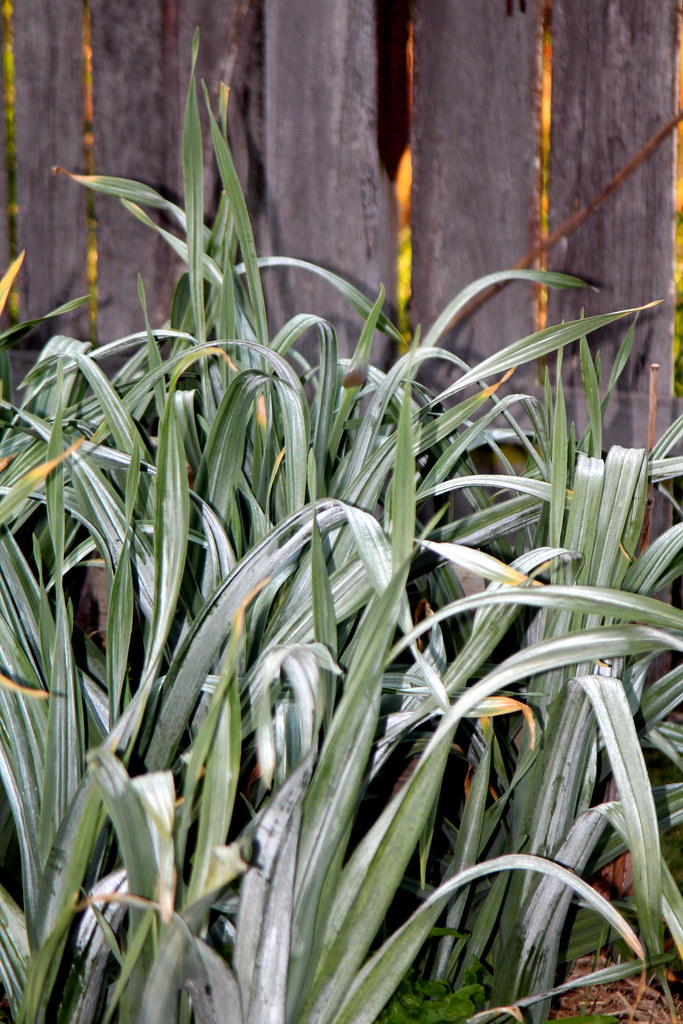
Two days ago I harvested our Garlic from the bottom yard and every piece is beautiful and there are zero onions (so far). There are still around twenty plants left in the ground that haven't flowered as yet so I'm giving these a little bit more time in the ground to see if they do end up flowering at some stage before I harvest those too.
Today we are plaiting the garlic to make it beautiful for hanging and for gifts. I use stacks of garlic everyday in our food and if I were to purchase that amount I use then there would be no money left for other things. So its a super idea to grow it each year and keep the family healthy and happy and keep the nasty vampires at bay.
I have a link to a blog by Penny Woodward listed here where you can get all of the instructions for Garlic Plaiting.
PLAITING GARLIC
So, it was a good idea I consulted the instructions before I plaited. I could not plait the Garlics yet. "Oh No" I said, "They're not limp enough". So I have to wait a fortnight at least until their stems are limper and able to be plaited and held and manipulated. If I was to begin this today there would just be broken stalks. I was disappointed but now I am just eager to try this and I will be patient. They will be wonderful I am sure.
HARVESTING HINTS
When the Garlic is ready for harvest its a great idea to not leave it in the ground if there is a lot of wet weather around. This splits the cloves and makes for not nice looking garlic. It is only the perfect image that are damaged. A split clove is just that, a split clove. It will still taste awesome. As the year draws on and I don't have as much left I pull my cloves apart and put in a basket in the kitchen cupboard where its easy to retrieve each piece. Any Garlic is so good for you, any varieties. It tastes fabulous.
Images @ Eminpee Fotography
Showing posts with label Vegetables. Show all posts
Friday, November 17, 2017
Sunday, December 02, 2012
PLANTING via the 3 Sisters Method
| "Three Sisters" planting (Photo credit: net_efekt) |
The ancient Native American technique of growing Corn, Beans, and Squash together in an arrangement called the Three Sisters is the
ultimate in companion planting and helps increase harvests, naturally!
Corn acts as a support for climbing bean vines, the beans fix nitrogen in the soil for the high feeding requirements of corn and squash, and the squash provides mulch and root protection for the corn and beans! After cooperating beautifully in the garden, corn and beans form a complete protein when eaten together! How's that for a mutually beneficial relationship?
The Three Sisters are all easy to direct sow in the garden and are a great project for children, teaching them about the beauty of natural harmony while providing a fast-growing reward for their efforts.
Make the best possible use of your garden space this season, and try growing the Three Sisters! Just follow the easy steps listed below, fertilize well, plant other companions like herbs to assist with pest control, and you'll be harvesting your best crop in no time!
The Iroquois believe corn, beans and squash are precious gifts from the Great Spirit, each watched over by one of three sisters spirits, called the De-o-ha-ko, or “Our Sustainers". The planting season is marked by ceremonies to honor them, and a festival commemorates the first harvest of “green” corn on the cob. By retelling the stories and performing annual rituals, Native Americans passed down the knowledge of growing, using and preserving the Three Sisters through generations.
Planting instructions
In November / December in Australia when soil has warmed nicely :
Shape a flat-topped circular mound of soil about a foot high and 2 feet across at the top, sloping outward toward the base. Plant a circle of Corn seeds on top, about 5 or 6, and water them in well, tamping down your soil mound firmly so it doesn't wash away in the first rain. Space the mounds 3 or 4 feet apart in the garden.
Since all corn grows on sturdy, dependable stalks, the variety you choose depends on the flavor, disease resistance, and holding ability you want.
About two weeks later:
When your corn reaches about 5 or 6 inches high, plant Bean seeds (6 to 8 of them) around the edges of the flat top or about halfway down the sloping sides of the circular mound. Push the seeds down deep into the soil and, if you're planting on the slope, make sure the soil is nice and firm. Add a bit of Thrive or liquid enhancer at planting time to help the Beans fix nitrogen.
To get your Beans to climb up the cornstalks, choose Pole rather than Bush varieties.
One week or so after that:
Plant Squash seeds around the base of the mound, on flat ground. You can make them radiate around the mound, or just go in the direction you have available space! 6 to 8 seeds in a ring around the base of the mound is usually plenty.
The traditional Squash family member for this Sister is Pumpkin, with its all-American flavor and long growing season. Rumbo is a unique Korean variety that looks like an heirloom Pumpkin but tastes sweeter and more succulent than a Butternut Squash! For a quicker harvest, grow Summer Squash or Zucchini
When everything begins growing . . .
Thin the plantings to 2 or 3 Corn stalks, each with no more than 2 Bean plants winding around it. (You'll need to help the Beans get started growing up the stalks). The Squash is going to vine along the ground, so the number of plants you need depends on how far apart your mounds of corn and beans are, how long the vines get, and how much walking space you need in the garden.
Corn acts as a support for climbing bean vines, the beans fix nitrogen in the soil for the high feeding requirements of corn and squash, and the squash provides mulch and root protection for the corn and beans! After cooperating beautifully in the garden, corn and beans form a complete protein when eaten together! How's that for a mutually beneficial relationship?
The Three Sisters are all easy to direct sow in the garden and are a great project for children, teaching them about the beauty of natural harmony while providing a fast-growing reward for their efforts.
Make the best possible use of your garden space this season, and try growing the Three Sisters! Just follow the easy steps listed below, fertilize well, plant other companions like herbs to assist with pest control, and you'll be harvesting your best crop in no time!
The Iroquois believe corn, beans and squash are precious gifts from the Great Spirit, each watched over by one of three sisters spirits, called the De-o-ha-ko, or “Our Sustainers". The planting season is marked by ceremonies to honor them, and a festival commemorates the first harvest of “green” corn on the cob. By retelling the stories and performing annual rituals, Native Americans passed down the knowledge of growing, using and preserving the Three Sisters through generations.
Planting instructions
In November / December in Australia when soil has warmed nicely :
Shape a flat-topped circular mound of soil about a foot high and 2 feet across at the top, sloping outward toward the base. Plant a circle of Corn seeds on top, about 5 or 6, and water them in well, tamping down your soil mound firmly so it doesn't wash away in the first rain. Space the mounds 3 or 4 feet apart in the garden.
Since all corn grows on sturdy, dependable stalks, the variety you choose depends on the flavor, disease resistance, and holding ability you want.
About two weeks later:
When your corn reaches about 5 or 6 inches high, plant Bean seeds (6 to 8 of them) around the edges of the flat top or about halfway down the sloping sides of the circular mound. Push the seeds down deep into the soil and, if you're planting on the slope, make sure the soil is nice and firm. Add a bit of Thrive or liquid enhancer at planting time to help the Beans fix nitrogen.
To get your Beans to climb up the cornstalks, choose Pole rather than Bush varieties.
One week or so after that:
Plant Squash seeds around the base of the mound, on flat ground. You can make them radiate around the mound, or just go in the direction you have available space! 6 to 8 seeds in a ring around the base of the mound is usually plenty.
The traditional Squash family member for this Sister is Pumpkin, with its all-American flavor and long growing season. Rumbo is a unique Korean variety that looks like an heirloom Pumpkin but tastes sweeter and more succulent than a Butternut Squash! For a quicker harvest, grow Summer Squash or Zucchini
When everything begins growing . . .
| English: These pits are remains of community storage cellars for corn, beans and squash. Used by the Iroquois Indians (Photo credit: Wikipedia) |
Thin the plantings to 2 or 3 Corn stalks, each with no more than 2 Bean plants winding around it. (You'll need to help the Beans get started growing up the stalks). The Squash is going to vine along the ground, so the number of plants you need depends on how far apart your mounds of corn and beans are, how long the vines get, and how much walking space you need in the garden.
Labels:
Beans,
Fruit,
Garden,
Vegetables
URUNGA NSW
Urunga NSW 2455, Australia
Subscribe to:
Posts (Atom)
